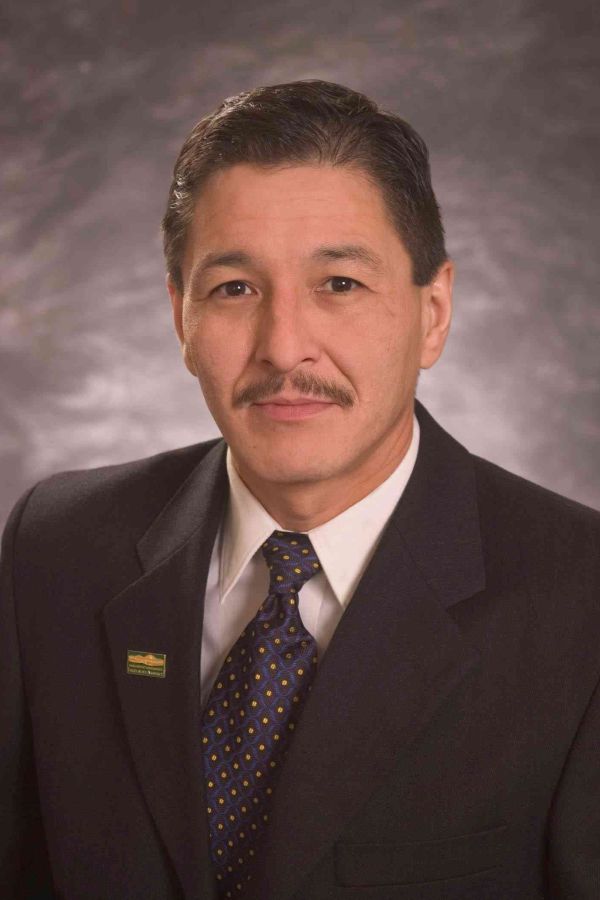
Tu Nedhe
Mahsi, Mr. Speaker. My question would be directed to the Minister of FMBS, the Honourable Floyd Roland, regarding the department which oversees all the human resource policies of this government. Mr. Speaker, I know the treaty issues are not something new, but to date government policy, that I feel can be quite concise and clear, has not been developed to date with regard to entitlement leave on treaty day. I feel all treaty Indians, treaty members, regardless of their place of employment are entitled to the half-day leave, which some receive today and some don’t. I guess my question to the...
Thank you, Mr. Chairman. I know what’s budgeted for fire suppression every year is in the tune of $7.4 million. I just wanted to ask the Minister if during years where we have damp seasons, very low fire conditions and we have dollars left over in our budget, if the department is going to consider or can consider putting that money into a revolving fund which can accumulate over several years instead of putting it back into general revenue so we don’t have to come out with any supplementary appropriations during years of extreme fire conditions. Thank you.
When is this government or the Minister going to ensure that the government makes all the government departments more consistent in the delivery of the whole leave policy on treaty day? Thank you.
Thank you, Mr. Speaker. I am well aware of the civic leave entitlement in the UNW agreement and the government policy, and the Minister did exactly hit the point that I am trying to put across to you, that many treaty Indians that have relocated for employment purposes and no longer go out and receive treaty in their respective communities, even though they are employed in and, in some instances, employees that are entitled to treaty in another community, are not granted the leave by their employers because they don’t receive treaty in that community. So I guess my question is maybe the...
Mahsi, Mr. Speaker. Mr. Speaker, I rise today to talk about a human resource government policy, another human resource government policy that's inconsistent due to the way the various government departments are carrying it out. Mr. Speaker, I am referring to the government employee leave on treaty day. Mr. Speaker, since the first treaty was signed in 1871 and the last one was signed in 1921, all aboriginals use this day to gather and celebrate a new way of thinking and living, not to mention receiving the token monetary gains from the federal government. This also serves as a reminder of...
Thank you, Mr. Speaker. I thank the Minister for that response because I look forward to seeing some changes in the near future. I am willing to sit down with the Minister and help develop some new policies with respect to more consistent delivery of the human resource policies in this government. Thank you, Mr. Speaker.
Thank you, Mr. Speaker. On April 6, 2004, when the northern leaders from all regions of the NWT met to discuss northern issues, this motion, which I am in favour of, Mr. Speaker, is specific to one of these main concerns orated by all at this meeting.
The concern we as government leaders have, and obligation we have, is to communicate to the federal government on behalf of our constituents all the wishes that were brought up during those meetings. This motion, although it’s part of a larger picture, is a step in the right direction that was set in that meeting, a direction toward shared...
Thank you, Mr. Speaker. I guess maybe I just want to exchange my form of questions. I want to ask the Minister if the Protected Areas Strategy action plan includes monitoring and feedback to this government and the federal government on a semi-annual basis or even on a monthly basis on how the planning process carried out and what’s developing to date. Thank you.
Thank you, Mr. Speaker. I’ll direct my question to the Minister of Resources, Wildlife and Economic Development, the Honourable Brendan Bell. I know that the action plan for the Protected Areas Strategy has been developed by the NWT Protected Areas Strategy Secretariat since 2002 when it was first initiated. I know that there have been negotiations on some cost-sharing agreements with the federal government and other aboriginal organizations to the tune of $17 million for the Protected Areas Strategy. I wanted to ask the Minister if any cost-sharing agreement has been reached and, if not...
I seek unanimous consent to conclude my statement, Mr. Speaker.


