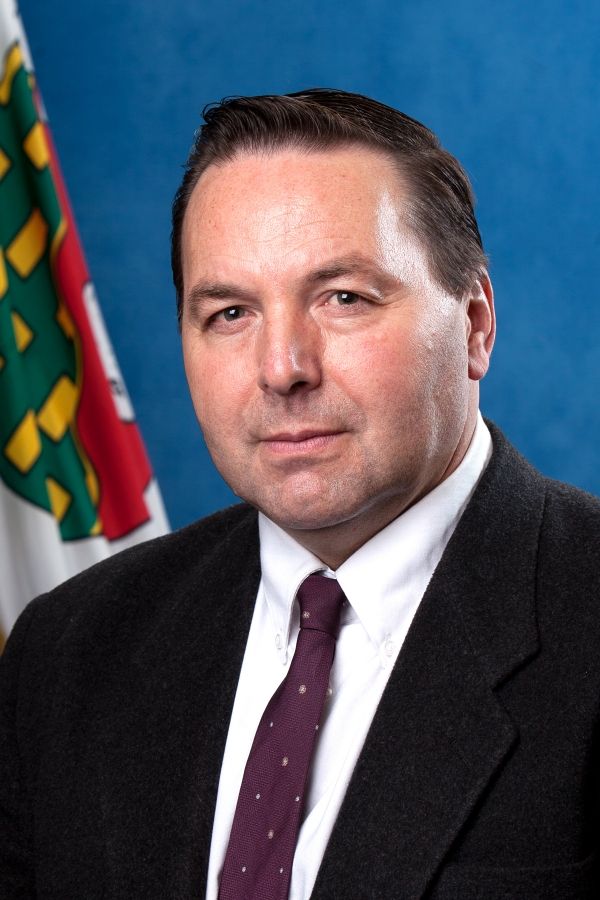
Hay River South
The main purpose for installing renewables and alternative energy is to stabilize the cost of power, reduce the greenhouse gas emissions that we are all working towards, and protect residents from future fluctuations of commodity prices of diesel fuel. Even with that, it has to be noted that we need to have diesel backup in these communities, and the government is committed to converting these plants as much as possible with the backup system in place. We are also committed to covering the mental costs of doing this in the communities so that the emerging and renewable power projects moving...
The yearly subsidy has remained approximately the same over the last five years. It has fluctuated a bit year to year, but it is very close.
Mr. Speaker, I wish to table the following document entitled "Yellowknife Airport Five-Year Business Plan 2018-2019 to 2022-2023." Thank you, Mr. Speaker.
As I have said, at kilometre 140, everything seems to be working fine. The department will continue to monitor the other culverts moving forward. We will be installing these four heat traces in the springtime at 213, and we will monitor things going forward. If this becomes something that we need to do at other sections of the highway, we will have a look at it.
Thank you, Mr. Speaker. This issue came up last year, particularly around the Georgetown area, and we are continually monitoring this area with overflow issues on the Dempster in a number of places, as the Member has spoken about.
In particular, right now, at kilometre 213, we have an issue. The department built a couple of berms there to hold back water, but, due to climate change this year and the warming temperatures in that region, a lot of water is coming up from underground, and we had an issue on the highway. A contractor has been out there. He has ice-plated that section to make it...
Mr. Speaker, I wish to table the following document entitled "Energy Initiatives Report 2016-2017." Thank you, Mr. Speaker.
As I have said, we are going to be tabling our 2030 energy strategy pretty soon, but that has the long-term vision, to 2030. We are going to be rolling out a three-year action plan for this session or this Assembly going forward so we have something to work on, which will be released this spring. In that action plan, we will have details, specific details, of the actions that we are going to take, the infrastructure money that is needed to accomplish this. We have six strategic objectives that we want to complete in that, but we are still negotiating our bilateral agreements, which this...
Thank you, Mr. Speaker. Our department, Infrastructure, we're working on our 2030 Energy Strategy, but it is linked specifically to the NWT Climate Change Strategic Framework. We are working together with us, ENR, and the Department of Finance to ensure consistency between all the strategies moving forward that are being developed. Thank you, Mr. Speaker.
If it's through the CAP program, that's an application that's on a first-come-first-served basis, and I think the community of Aklavik has done very well on it. As for the longer federal infrastructure plan, we're going to be signing our bilateral year pretty soon, hopefully in the next month or so with the federal Minister, and those types of programs are still being worked out; but I think there are plenty of opportunities for communities within the new infrastructure funding that's coming to the Northwest Territories over the next 10 years.
I'd gladly sit down with the Member and the proponents of the Canadian Natural Gas Proposal, whatever their legal entity name is, and the people who want to discuss it, and look at opportunities for the Northwest Territories. Thank you, Mr. Speaker.


