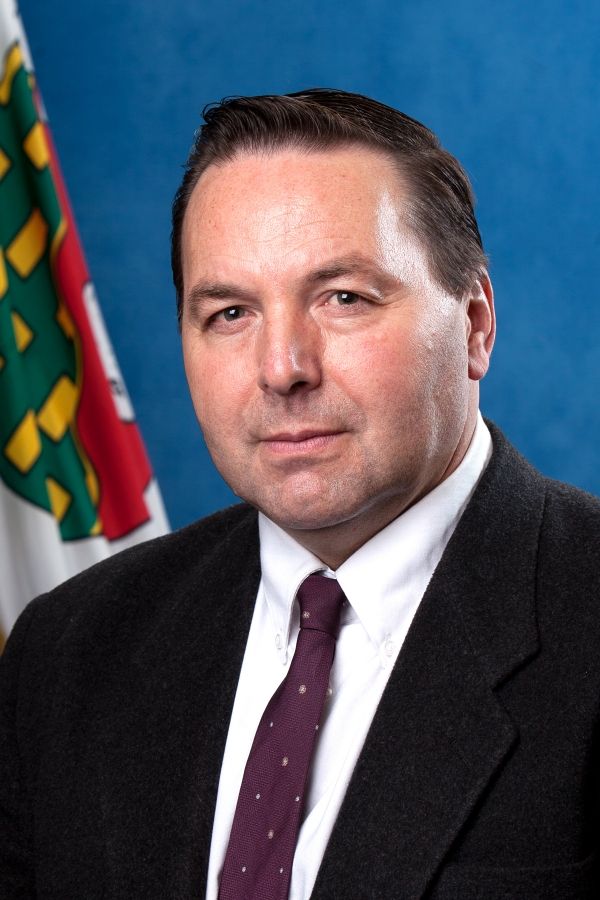
Hay River South
There are a couple of things I want to say. First of all, Norman Wells grew 9,000 pounds of potatoes. That's not some small, little community garden we are talking about. There is a region at looking at extending their agriculture. I have had conversations with people in Fort Good Hope who want to do commercial agriculture in their region as well.
As much as the South Slave is maybe thinking they are the agricultural hub of the Northwest Territories, there are a number of communities that are already reaching out and doing it. Gameti is another good example, with what they have been able to...
Thank you, Mr. Speaker. First, he's asked a couple of questions there; I'll answer the last one. The landing and the improvement fees are going to change a south-bound ticket by 3 to 4 per cent. On a north-bound ticket it's going to change it by 1 to 2 per cent, which is very minimal. The upside of this whole thing is the economic opportunities that this is going to bring to the City of Yellowknife in particular and to the residents of the Northwest Territories, and the economic potential outweighs any negative effects that I believe will happen to the citizens of the Northwest Territories.
I'm assuming the Member from Yellowknife North is talking about the airport improvement fee. We had a consultant do a review of airports across Canada, similar size as Yellowknife Airport, and it was concluded that the fee that the airport improvement fee of $20 and $10 was justifiable to airports of similar size to us across Canada.
Thank you, Mr. Speaker. I would like to recognize Cindy Jarvis, a resident of Yellowknife. It is her first time in the House today. Thank you, Mr. Speaker.
I don't know how many creative ways I can say it to answer this question, but I believe this job has to stay in Yellowknife and I'm committed to keeping it here.
Thank you, Mr. Speaker. I said earlier in the House today to the Member from Hay River North that this position is based in Yellowknife because it clearly recognizes the importance of being here looking after the broader Northwest Territories, with all the initiatives that are in place in all the different regions in the NWT, and it just totally makes sense to have that job located here in Yellowknife. Thank you, Mr. Speaker.
I have made my position quite clear on this. I want to talk about fishing a little bit because he's talking about fishing. I had just happened to have the opportunity to go to the fish plant last week when I was home. One thing I can say, yes, fishing is a big part of Hay River industry, but the Member from the Beau-Del there, from Mr. Blake, has approached us about doing commercial fishing in Northwest Territories. This is going to have greater implications than just in Hay River, plus we also have money set aside, $1.4 million invested in the Hay River plant as we move forward, if we can...
Thank you, Mr. Speaker. As I've answered this question a number of times already, this is a pan-territorial position that represents all citizens of the Northwest Territories. We have reallocated the position in Hay River that was presently there, away from agriculture, to look after the fishing and agriculture industry to help facilitate that in the South Slave. The position that the Member opposite is referring to is based out of Yellowknife, and it needs to be here to look after the whole Northwest Territories. Thank you, Mr. Speaker.
Thank you, Mr. Chair. We still need to have staff in the oil and gas office. You know, we tend to say 10 years until oil and gas comes back, but we don't control the commodity markets. There is still some interest in it. We are sitting on billions of dollars’ worth of reserves in the Northwest Territories, and when the markets come back, they will have the ability to jump on it and take best advantage of that. Thank you, Mr. Chair.
Thank you, Mr. Chair. I will redirect that to the director of finance. Thank you, Mr. Chair.


