Debates of March 5, 2026 (day 89)
Mahsi, Mr. Speaker. Water is life. This is something our elders have taught us for generations. It is something we know not just in our minds but in our hearts. Many of us grew up drinking directly from the Mackenzie River or any river in the North from the lakes, from the river and from the clear streams that nourished our families and sustained our communities. Some of our people still do today. That deep connection to the land and water is not a memory; it is a living part of who we are. It reminds us that we have a responsibility, a duty to protect our waters so the future generations can enjoy the same gifts we were given.
Mr. Speaker, every decision made in the upper Mackenzie River basin, whether in British Columbia, Alberta, Saskatchewan or the Yukon, flows down to us. The GNWT has clearly acknowledged this reality. The NWT is the ultimate downstream jurisdiction directly impacted by upstream water management decisions. When large-scale industrial activities such as oil and gas development, pulp and paper operations, and hydroelectric projects occur upstream, it is our waters, our ecosystems, and our people that bear the consequences.
Because of this, Mr. Speaker, we can't rely on hope alone to protect the safety and purity of our water. We must take action. Over the many years, the Government of the Northwest Territories has done just that through the negotiations of transboundary water agreements with upstream jurisdictions.
These agreements are rooted in the 1997 Mackenzie River Basin Transboundary Waters Master Agreement between Canada, British Columbia, Alberta, Saskatchewan, the Yukon, and the Northwest Territories. This master agreement commits all parties to work cooperatively to protect the ecological integrity of the entire basin and to make decisions in a way that sustains the water resources for present and future generations.
Mr. Speaker, these agreements are not just technical documents. They are powerful tools, tools that affirm our right to clean water that recognize the importance of aquatic ecosystem health and that ensure upstream governments cannot unreasonably harm downstream jurisdictions like ours. Bilateral agreements with Alberta, British Columbia, and updated agreements with the Yukon set clear expectations for water quality.
Groundwater protection and ecosystem health, they require cooperation, information sharing, and joint stewardship. They give us a seat at the table so that decisions affecting our waters are not made without our knowledge or our voice. These agreements also recognize something fundamental, the central role of Indigenous peoples and Indigenous knowledge in protecting the land and water. The Mackenzie River Basin process and its bilateral agreements emphasize the importance of Indigenous participation, ensuring that traditional knowledge and community experience shape decisions that affect our shared waters. This is not only good practice; it is an expression of respect for the people who have cared for these lands since time immemorial.
Mr. Speaker, protecting our water is not just environmental policy. It is about the health of our families, the safety of our food source, the well-being of our communities, and the future of our culture. Water holds our stories, our history, and our responsibilities. It connects all of us, upstream and downstream alike. As legislators, we must continue strengthening our protections, holding upstream partners accountable, and ensuring that the commitments made in these important agreements are upheld. We must continue speaking for the water because the water cannot speak for itself, and we must always remember that the decisions we make today will shape the world our children and grandchildren inherit. For these reasons, Mr. Speaker, I fully support this motion and its goal of protecting the waters and the rights of the people of the Northwest Territories. Mahsi.
Thank you, Member from the Dehcho. To the motion. Member from Tu Nedhe-Wiilideh.
Thank you, Mr. Speaker. Mr. Speaker, at the heart of this motion is the health of our people. My communities face alarming high rates of cancer, chronic illness, illnesses that are forced our people to face serious challenges at an even younger age and take our elders from us too soon.
In the past year alone, as the MLA for Tu Nedhe-Wiilideh I have contributed to over 20 funerals. And that is only a fraction of the loss our communities have endured. Countless others are battling cancer and serious illnesses, and my office works tirelessly to advocate for them and ensure their treaty rights to health are honoured. This is an experience I know I share with my colleagues who represents Indigenous communities because our people are far more likely to be affected by cancer and other serious illnesses.
These disparities in health and well-being of our people are stark examples of ongoing inequity of our community faces with Indigenous people experiencing these health risks at much higher rates than non-Indigenous populations. Our people spend much time on the land, sustaining ourselves directly from hunting, fishing, trapping, and we rely on these waters, on our ecosystems, which rely on these waters as well. When the land and water are sick, we are sick.
Here in Yellowknife, we live in the shadows of Giant Mine. The mine is a legacy of -- or, and painful reminder of how our authority, stewardship over land were taken from us, of how the government of the day gave industry a blank cheque to carelessly unleash harmful chemicals from arsenic to uranium, dumping them on our land and onto our waters and exposing our people to them for decades.
It is in our communities. We have lived on this land since time immemorial who bear the consequences. Undoing these policies, repairing the harm, and restoring the stewardship of the land is one of the greatest efforts of the reconciliation era.
I am proud to say that through our resilience, our advocacy, and our fight back, we are turning the tide. But there is still a long way to go. Through the advocacy of First Nations and Inuit, we are working to force government to uphold treaty rights and those treaties are promised, no interference in the mode of way of life.
Right now, there are transboundary agreements with Alberta to -- they monitor the water and uphold the interests of downstream communities. But, unfortunately, this agreement is without any co-management of our First Nation so instead our communities must rely on our government to protect us because we have no voice at this table. Unfortunately, this transboundary agreement is breaking down.
Most recently, an incident in Imperial Oil Kearl mine of north of Fort McMurray leaked contaminants, tailings, into surrounding watersheds and groundwater, at least 5.3 million litres of industrial wastewater that flowed into the forests, wetlands, and rivers, which feed directly into the Athabasca River. Despite this contamination being known by the company and Alberta energy regulators for months before it became public, neither the Government of the Northwest Territories nor affected Indigenous governments were formally notified as required.
Our government stated that they learned of the Kearl incident second hand from Indigenous governments or the media. Rather than our official Alberta notification, they described this as a serious failure to share information, a violation of the transboundary agreement communication provision which called for prompt and transparent exchange whenever shared waters could be affected. At the time, they also noted that the lack of transboundary around Kearl was not an isolated incident, pointing to a border -- ongoing pattern of information sharing issues with Alberta.
So what is our government doing about this given that the transboundary agreement has no teeth? So far, not enough.
The lack of consultation and the clear shortcoming in this agreement, no enforcement measurements to consequences is even more evident now that Alberta has introduced Bill 7 to amend the Water Act. This bill does two dangerous things.
First, it sets an objective to treat and release contaminated tailings ponds, ponds that in total are twice the size of the city of Vancouver. The science does not support the idea that these tailings can be treated safely. Once released, they will have immeasurable impacts on downstream communities, and Alberta has provided no clear explanation of how or why this will happen, only that panels will be appointed to get it done.
Second, the plan to merge water basins is in direct violation of our transboundary agreement. This will fundamentally alter the flow of balance of watersheds, affecting lakes, rivers, wetlands, and groundwater. It will degrade water quality and disrupt ecosystems that rely on seasonal flows, spawning cycles, temperature ranges, sediments levels, and oxygen levels.
All of this is being done without consultation with the Northwest Territories, without respecting our transboundary agreement, and with complete disregard for our treaty rights on health and our way of life.
When I speak of Alberta here, I am not talking about the people and certainly not the First Nation, many of whom are now taking the Alberta government to court. This decision are being made by the UCP government which has a long history of ignoring nation-to-nation relationships and giving industry unchecked power.
If we rewind the clock 20 years, when this transboundary agreement was being formed, the old PC government faced pressure from sectors of the oil industry that rejected the notion of consensus, accountability, environmental oversight, or Indigenous co-management. This led to the creation of the Wild Rose Party which spent a decade dismantling the PC regulations and calling for a radical degradation of the oil industry. Their leaders at the time, Daniel Smith, now Premier of Alberta, continues to prioritize her long-time donor, appointing them to oversight regulatory boards across the government. Now those donors want tailings ponds dumped immediately in violation of the agreement with water basins merge, and they are ignoring Alberta's bilateral commitments to our territory.
This is why, in this motion, I hope this Assembly speaks with one voice, sending a strong message that the government must uphold treaty rights, protect people and the ecosystem, defend the small, critical advances we made on environmental oversight, lead the way to national Indigenous co-management access across provincial and territorial jurisdictions.
At the federal level, big changes are happening. MOUs are being signed with Alberta. Regulatory processes are being streamlined and strategic industries expanded. Water, strategic resources, our rights are sacred. We need our government to speak up. Our government must protect our rights of our health and our waterways and ensure that we sit at the federal table as equal partners making our voices heard loud and clear. We must show leadership, uphold our treaty rights, and defend our people and our land. Alberta may have the rights to do what they want for their territory, but there's downstream communities. We have rights, and we need to make that clear. I hope my colleagues join me in sending this powerful message to Alberta and give our government the momentum they need to work harder. Thank you, Mr. Speaker.

Thank you, Member from Tu Nedhe-Wiilideh. To the motion. Member from Frame Lake.
Thank you, Mr. Speaker. I'll be brief. I certainly can't find the words as eloquently as my colleagues have already illustrated, so I'm happy to stand here and support them and support the words that they've already shared. Thank you, Mr. Speaker.
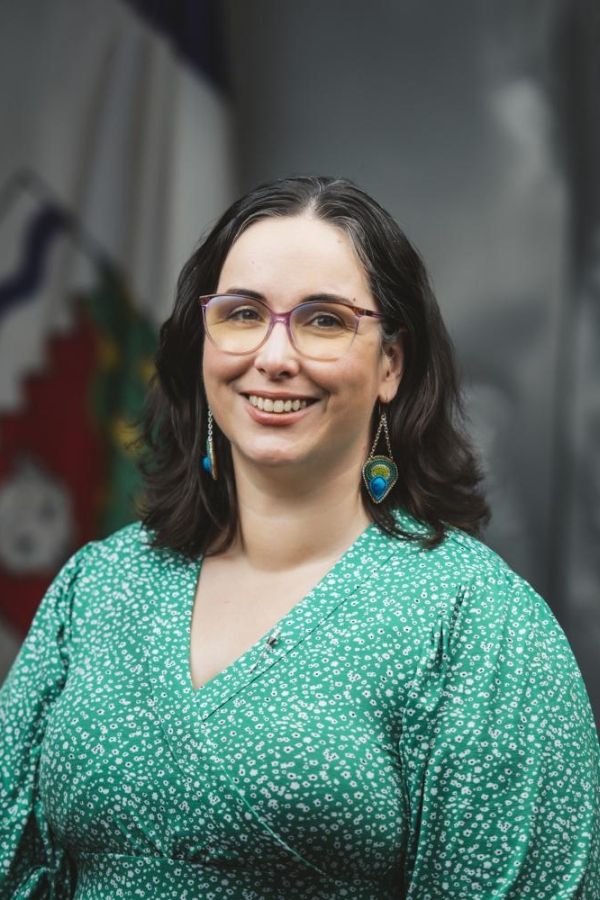
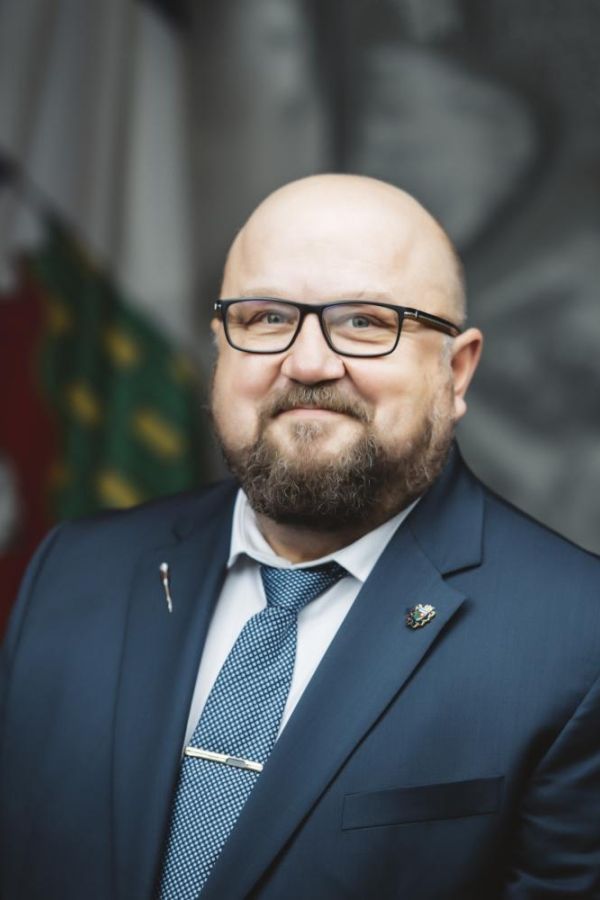
Thank you, Member from Frame Lake. To the motion. Member from Great Slave.
Thank you, Mr. Speaker. Mr. Speaker, I will also be brief. And I want to thank the mover and seconder of this motion. I spoke in depth to my feelings on this matter on February 26th, and I will let those comments stand, and I will support this motion. Thank you.
Thank you, Member from Great Slave. To the motion. Member from Mackenzie Delta.
Thank you, Mr. Speaker. I will be brief too. You know, this fight has been going on for a long time. My Uncle Charlie Snowshoe, who has passed earlier, he is a great advocate of this protection of the water from Alberta and B.C. coming in downstream and would adversely affect our region way up in the northern part of Canada. So I too will be supporting this motion. Thank you, Mr. Speaker.
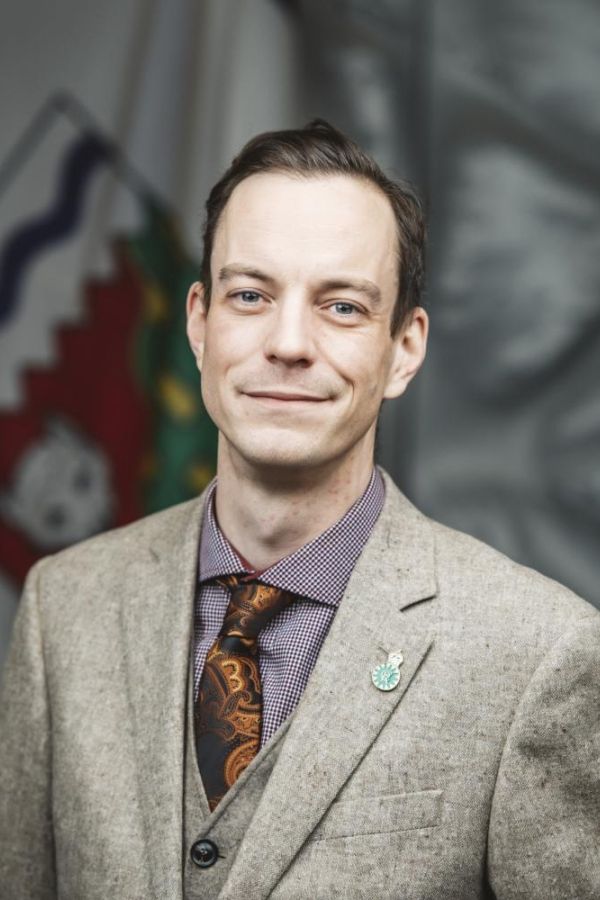
Thank you, Member from Mackenzie Delta. To the motion. Member from Yellowknife Centre.
Thank you, Mr. Speaker. It was a very detailed, well thought out and passionate motion, Mr. Speaker. I can't imagine not supporting this. The fact is, in brief, could you imagine if you didn't have water to drink, what would you drink? We all know it's the essence of life. It sustains all our biodiversity, our ecosystems. It's simply down to the survival. It's hard to believe; it's that simple, the survival of who we are. The water has many meanings in many cultures, and I certainly think it has no less importance here in the Northwest Territories as it does anywhere else. But if you don't have water, you have nothing. So I'll be supporting this motion. Thank you, Mr. Speaker.
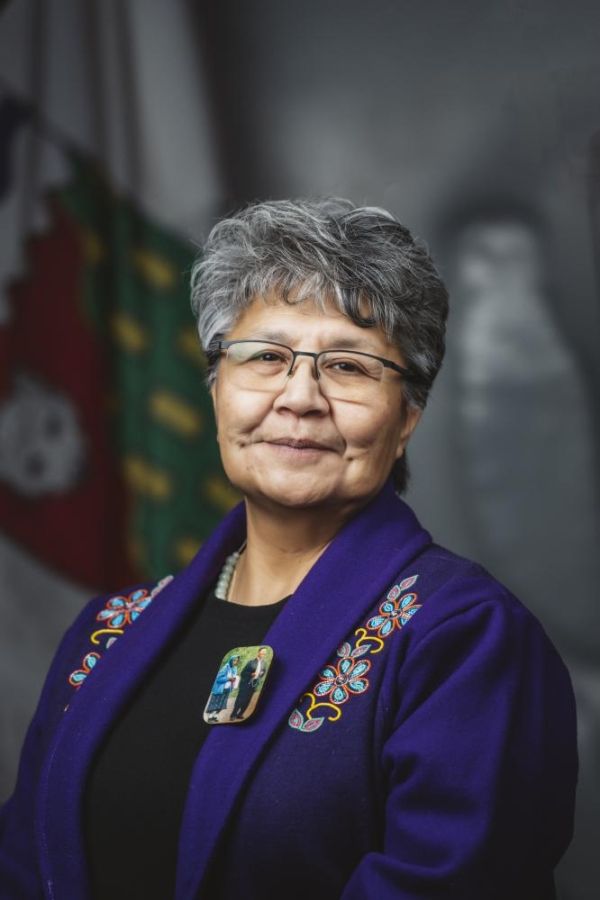
Thank you, Member from Yellowknife Centre. To the motion. Member from Range Lake.
Thank you, Mr. Speaker. Mr. Speaker, I'm pleased to stand in support of my colleague's motion. You know, I'm -- when I worked at the Yellowknives Dene First Nation, you know, I walked into the Chief Drygeese Centre and saw the motto every day As Long as the Sun Shines, the River Flows and the Grass Grows, so will the Treaty and the land and the people be sustained. And water is life, land is life, and doing what we can to protect it and ensure that the rights -- the treaty rights of Indigenous people are intact, especially in government to government relationships, in this case with the government of Alberta, are very important and part of reconciliation, and I thank the Member for bringing this forward. This is an important issue. I've heard about it, certainly, from Indigenous leadership, and the Member for Tu Nedhe-Wiilideh is certainly someone I respect as a leader for these concerns in the Northwest Territories. And, again, I thank him for bringing it forward, and I will support it. Thank you.
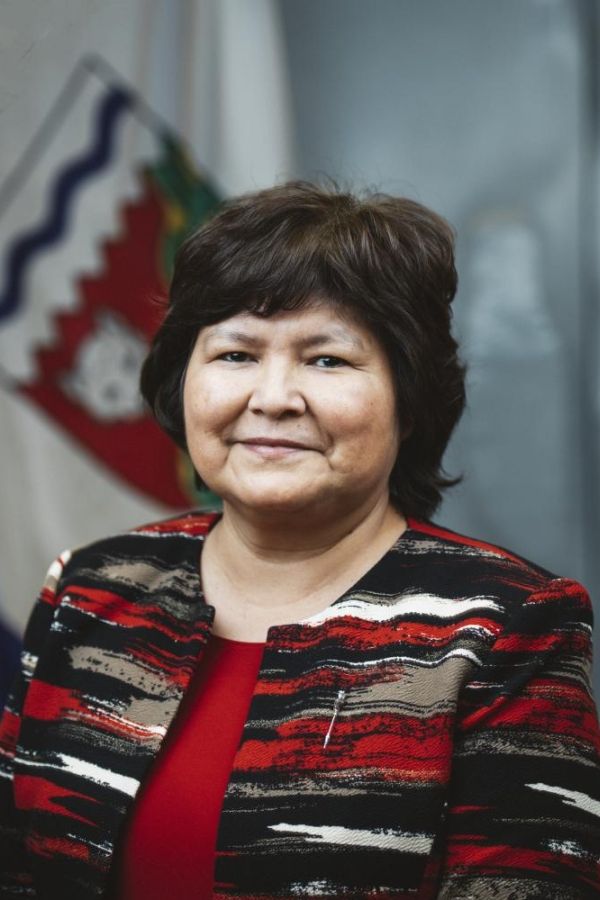
Thank you, Member from Range Lake. To the motion. Member from the Sahtu.
Thank you, Mr. Speaker. I too will stand in support to this motion. As our elders have always said, and as previous speakers mentioned, water is life and water brings stability and health and goodwill to our communities. And I can't say any more than what was already said, Mr. Speaker. Mahsi cho.
Thank you, Member from the Sahtu. To the motion. Member from Monfwi.
Thank you, Mr. Speaker. Yes, this is important for NWT and the people. And like my colleague from Dehcho said, water is life, and we have heard many times from our elders, they said water is our father and it is important for our survival. So I will support this motion. Thank you.
Thank you, Member from Monfwi. To the motion. Member from Thebacha.
Mr. Speaker, as this motion makes a recommendation to government, Cabinet will be abstaining from the motion. Thank you, Mr. Speaker.
Thank you, Member from Thebacha. To the motion.
Question.
Question is called. Does the Member from Tu Nedhe-Wiilideh wish to close debate.
Yes, thank you, Mr. Speaker. And I'd like to thank my colleagues on this very important issue. And, Mr. Speaker, I ask for a recorded vote. Thank you.
Recorded Vote
The Member for Tu Nedhe-Wiilideh. The Member for Dehcho. The Member for Sahtu. The Member for Yellowknife Centre. The Member for Range Lake. The Member for Inuvik Boot Lake. The Member for Monfwi. The Member for Frame Lake. The Member for Great Slave. The Member for Mackenzie Delta. The Member for Yellowknife North.
All those opposed, please stand. All those abstaining, please stand.
The Member for Thebacha. The Member for Yellowknife South. The Member for Kam Lake. The Member for Hay River North. The Member for Hay River South. The Member for Inuvik Twin Lakes. The Member for Nunakput.
Thank you. Colleagues, all those in favour, 11. Opposed, zero. Abstentions, seven. Motion is carried.
---Carried
Motions. Member from Yellowknife Centre.
Motion 70-20(1): Referral of Tabled Document 483-20(1): 2025-26 Electoral Boundaries Commission Final Report, Carried
Thank you, Mr. Speaker. I have two motions to read into the record. I'll obviously do one at a time. The first one is with respect to the Electoral Boundaries Commission. So, Mr. Speaker,
WHEREAS Tabled Document 483-20(1), 2025-2026 Electoral Boundaries Commission Final Report, has been tabled in this House;
AND WHEREAS the 2025-2026 Electoral Boundaries Commission Final Report requires detailed consideration;
NOW THEREFORE I MOVE, seconded by the Honourable Member for Yellowknife South, that Tabled Document 483-20(1), 2025-2026 Electoral Boundaries Commission Final Report, be referred to Committee of the Whole for consideration. Thank you, Mr. Speaker.
Thank you, Member from Yellowknife Centre. To the motion.
Question.
Question has been called. All those in favour, please raise your hand. All those opposed, please raise your hand. All those abstaining, please raise your hand. Okay. Motion carried.
---Carried
Motions. Member from the Yellowknife Centre.
Motion 71-20(1): Referral of Tabled Document 445-20(1): 2025 Review of Members of the Northwest Territories Legislative Assembly Compensation and Benefits Report Carried
Thank you, Mr. Speaker. My second motion is regarding the Legislative Assembly Compensation and Benefits Report.
WHEREAS Tabled Document 445-20(1), 2025 Review of Members of the Northwest Territories Legislative Assembly Compensation and Benefits Report, has been tabled in this House;.
AND WHEREAS the 2025 Review of Members of the Northwest Territories Legislative Assembly Compensation and Benefits Report requires detailed consideration;
NOW THEREFORE I MOVE, seconded by the honourable Member for Yellowknife South, that Tabled Document 445-20(1), 2025 Review of Members of the Northwest Territories Legislative Assembly Compensation and Benefits Report, be referred to Committee of the Whole for consideration. Thank you, Mr. Speaker.
Thank you, Member from Yellowknife Centre. To the motion.
Question.
Question has been called. All those in favour? All those opposed? All those abstaining? Motion carried. Motions. Member for Monfwi.
Motion 75-20(1): Waiving of Rent for Elders in Public Housing, Carried
I have two motions, Mr. Speaker, waiving of rent for elders in public housing unit, Mr. Speaker,
WHEREAS elders aged 65 and over living in public housing in the Northwest Territories often face financial hardship due to fixed incomes and rising costs of living;
AND WHEREAS the limited affordable housing options in the Northwest Territories disproportionately affect elders in smaller and remote communities;
AND WHEREAS elders contribute significantly to the cultural, social, and community fabric of the Northwest Territories and deserve dignity and security in their housing;
AND WHEREAS elders play a vital role in preserving Indigenous languages, culture, and traditions, and ensuring their well-being strengthens communities;
AND WHEREAS housing insecurity among elders can lead to negative health outcomes and increased reliance on health and social services;.
AND WHEREAS waiving rent for elders in public housing would reduce poverty, improve health outcomes, and support aging in place;
NOW THEREFORE I MOVE, seconded by the Member for Dehcho, that this Legislative Assembly calls upon the Government of the Northwest Territories to implement a policy to waive rent for all elders aged 65 and over residing in public housing units as soon as administratively feasible;
AND FURTHERMORE, that the Government of the Northwest Territories respond to this motion in 120 days.
Thank you, Mr. Speaker.
Thank you, Member from Monfwi. To the motion. Member from the Dehcho.
Mahsi, Mr. Speaker. Colleagues, I want to voice my strong support for this motion calling on the government to implement a policy to waive rent for all elders aged 65 and over residing in public housing. This is not simply a matter of financial relief. It is a matter of dignity, equity, and respect for those who have built and continue to sustain our communities.
Across the Northwest Territories, elders living on fixed incomes face increasing financial pressures. The rising cost of food, fuel, utilities, essential goods, place an ever-growing burden on those least able to absorb it. For many elders, every dollar is already stretched to its limit. When rent becomes one of the most significant monthly expenses, the result is hardship; hardship that no elder in our territory should experience especially after a lifetime of contributing to the well-being of their families, communities, and cultures.
This issue is even more pronounced in our smaller and remote communities where affordable housing options are extremely limited. Elders in these regions often face higher costs of living and fewer economic opportunities, intensifying the strain. Housing should not be a source of insecurity for the knowledge-keepers, language-holders, and cultural leaders who play such vital roles in the life of Northwest Territories.
Elders are central to preserving Indigenous language, cultural practices, and community identity. When elders thrive, communities thrive. Ensuring stable and secure housing for elders supports healthy aging in place, allows them to remain in their home communities, and strengthens intergenerational ties that are fundamental to cultural continuity.
There are also clear social and health benefits. Housing insecurity is linked to poor health outcomes and greater reliance on health and social services. By waiving rent for elders in public housing, the government would reduce poverty, reduce stress, and promote better physical and mental health measures that would likely reduce pressure on government systems in the long run.
Rent waivers are not merely a financial policy. They are an investment in community strength and cultural resilience. They honour the contributions of elders that elders have made throughout their lives and acknowledge the responsibility we carry to ensure they are cared for with the respect they deserve.
For these reasons, I urge the members to support this motion. Let us act decisively to ensure that elders aged 65 and over living in public housing can live with dignity, security, and peace of mind. Mahsi, Mr. Speaker.
Thank you, Member from the Dehcho. To the motion. Member from Monfwi.
I want to say thank you to my colleague from Dehcho.
Mr. Speaker, across the Northwest Territories, many elders who reside in public housing are facing increasing financial hardship. With fixed incomes and continuously rising cost of living, even modest increases in expenses can push elders into difficult choices between essentials like food, heat, medication, and housing.
Mr. Speaker, these challenges are felt most acutely in our smaller and remote communities where affordable housing options are limited and the cost of living is even higher. For many elders, public housing is not just a place to live; it is the only viable option available to them.
We must remember that elders are the heart of our communities. They are the keepers of our languages, our knowledge, and our traditions. Their contributions -- cultural, social and emotional -- enrich the Northwest Territories in ways that cannot be measured in dollars. Ensuring their well-being is not only an obligation, it strengthens families, communities and the continuity of culture for future generations.
Housing insecurity among elders is not just a housing issue. It has direct impact on health, increasing pressures on our health care and social systems. By waiving rent for elders in public housing, we can reduce poverty, improve health outcomes, and support elders to age in place with dignity.
Mr. Speaker, through this motion we are expressing a clear expectation that elders should no longer face financial strain simply to maintain a safe and stable home. It urges the government to take meaningful action to eliminate rental costs for elders in public housing, ensuring they can age in their communities with dignity, security, and the respect they deserve. I urge all Members to support this motion and reaffirm our commitment to honouring and protecting our elders. Masi, Mr. Speaker.
Thank you, Member from Monfwi. To the motion. Member from Yellowknife Centre.
Thank you, Mr. Speaker. I will be voting in favour of this motion. I like the spirit and intent of it. If anything, I have based my career on -- a lot of it was supporting seniors and elders, and any way to make their life better is certainly an issue, you know, I will take on, a fight I'll take on anytime. I have not forgotten the journey of those who have come before us, and to me it's an important story of their life that we must make sure that the winter of their life is not as burdened as much as possible.
As this is a public housing issue, I'm also worried -- and it gives us a chance to do some evaluation with respect to it, cost it out. And often I've thought about the issue whereas in it's just a shell game, you know. For example, housing or maybe health is paying the rent -- sorry, my apologies, income support is paying the rent of housing, which is just a government shell game, taking one money from one pocket and moving it into the next. And I don't see any true efficiency of that. It's like once people are assessed, you know, maybe that's when you say okay, they've been fully assessed at this time. So we need to stop doing this process. All we're doing is making work and making paperwork, and that's certainly not efficient. This process could actually help define and save government money in the long run.
So in short, Mr. Speaker, I'll be supporting this motion. I would like to know some details further along the lines when the government does its evaluation for implementation because I'm confident they'll see the wisdom of this motion.
And, lastly, I want to thank the Member for Monfwi. She continues to be an ardent champion on supporting elders as well, and I must acknowledge her strong will and the voice of her peoples. So I cannot imagine not helping carry some of that voice and passion with her. Thank you.
Thank you, Member from Yellowknife Centre. To the motion. Member from Tu Nedhe-Wiilideh.
Yeah, thank you, Mr. Speaker. I rise as well to give support to this motion. I just want to just reflect back to the 19th Assembly when we had a social development committee that travelled to Behchoko and to talk about housing in that community. And I recall we had an elder that came to that meeting, and it was very touching because that elder lived in public housing but his senior income from his pension was about 80 percent garnished and he got $20 a month, and that's very disturbing, all because the NWT Financial Act talks about that. So that Act needs to be updated in line with UNDRIP.
But, Mr. Speaker, as we get claims done and self-government agreements done, similar to what's going on in Behchoko, you know, our elders are the ones that are, I guess, teaching us right from as we're growing up. And I was raised by an elder too, like, my grandparents. And it's very important that -- you know, that these homes that they're talking about that -- that I really support this motion because it brings a lot of memories to them in these homes. But I've got to think back to as well that in 2038, Housing NWT is also going to be -- their agreements with CMHC are going to come to an end. And what becomes after 2038? What becomes of all the housing assets, the liabilities? All that needs to get sorted out. So it makes only good sense that we start looking at this and look at ways to liquidate these assets, even if they're old. I'm sure that we could figure that out at the community level. So, Mr. Speaker, I do support this motion. Thank you.
Thank you, Member from Tu Nedhe-Wiilideh. To the motion. Member from the Sahtu.
Thank you, Mr. Speaker. I too will support this motion. I've had tea and bannock with a number of elders throughout the communities that I represent and talked to the elders in some other communities, and I don't think we should be treating our elders in their golden years of their journey but be there to ease the tension as we all know the cost of living is so high in all our communities, they're really extremely battling the hardships of stretching their dollar values and still being there for their children, their grandchildren, who is always requesting some money assistance for their toys or whatever the children want or request at the time. So that's just part and part of a parcel of my efforts to show support for our elderly community. Thank you.