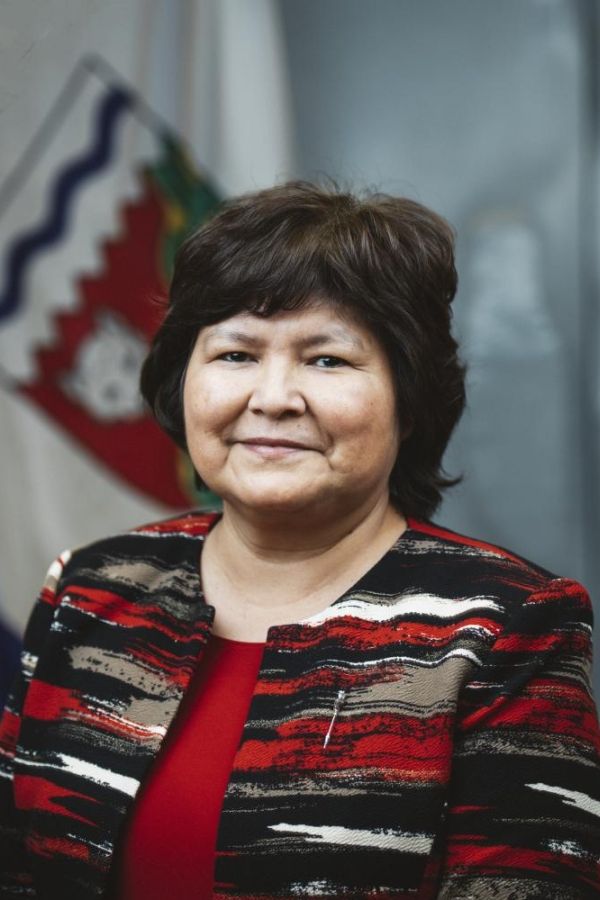
Debates of February 4, 2026 (day 73)

Date
February
4
2026
Session
20th Assembly, 1st Session
Day
73
Speaker
Members Present
Hon. Caitlin Cleveland, Mr. Edjericon, Mr. Hawkins, Hon. Lucy Kuptana, Hon. Jay MacDonald, Hon. Vince McKay, Mr. McNeely, Ms. Morgan, Mr. Morse, Mr. Nerysoo, Ms. Reid, Mr. Rodgers, Hon. Lesa Semmler, Hon. R.J. Simpson, Mr. Testart, Hon. Shane Thompson, Hon. Caroline Wawzonek, Mrs. Weyallon Armstrong
Topics
Statements

Question 927-20(1): Literacy Rates in the Northwest Territories

Thank you, Mr. Speaker. So my questions are for the Minister of Education, Culture and Employment. As I said in my Member's statement, a study from 2003 found that almost half of our youth aged 16 to 25 could not read or write well enough to fully participate in society. 70 percent of Indigenous adults, 30 percent of non-Indigenous adults were not functionally literate.

The first question is, does the Minister have any data or even anecdotal evidence to tell us whether our functional literacy rates amongst youth or adults have been getting better or been getting worse since 2003? Thank you, Mr. Speaker.

Speaker: MR. SPEAKER

Thank you, Member from Yellowknife North. Minister of Education, Culture and Employment.

Thank you, Mr. Speaker. So, Mr. Speaker, the survey that was done in 2003 that the Member is referring to was done by Statistics Canada, and the most recent version of a Statistics Canada study that was done was done in 2022-2023 and, unfortunately, the most recent study did not include the Northwest Territories. So we do not have updated trend analysis information that would allow us to compare to that study that was done in a similar fashion. Thank you.

Thank you, Mr. Speaker. So does ECE or do the school boards even keep data on literacy levels amongst students at any grade in the school system, whether that's early learners or high school students? Thank you, Mr. Speaker.

Thank you, Mr. Speaker. So the answer is yes, but it's certainly the type of information that's gathered varies by both age and purpose and we don't have a single territory-wide number. It's worth noting that the territory's currently in the process of transitioning to the BC curriculum, and there will be consistent literacy and numeracy testing and assessment -- graduation assessments that are done as part of that. So those will be done in grade 4, grade 7, grade 10, and grade 12. And because of the change in regulations that affords for more information sharing to the department, we'll be in a much better position to track that data. Thank you.

Speaker: MR. SPEAKER

Thank you, Minister of Education, Culture and Employment. Final supplementary. Member from Yellowknife North.

Thank you, Mr. Speaker. Final question for now in my information gathering mission here. I'm curious whether income assistance navigators have any tools to help identify or flag struggles that clients might be having with literacy, and then do they have any ability to link them with available supports for literacy? Thank you, Mr. Speaker.

Thank you, Mr. Speaker. So, Mr. Speaker, this is done in kind of two different fashions. So the first is ensuring that client navigators are serving residents with the supports that they need in order to understand the paperwork that they're completing. We know that sometimes people need supports in other languages. Sometimes they need added support. Sometimes those supports come as well from Members in this House. And then the secondary kind of role with literacy supports is kind of those pathways to training or to supports for education that people might be looking for, supports for the knowledge of different programming that's happening in a community, for example, with the literacy council employability programming that's happening in some small communities in the territory right now as well. Thank you, Mr. Speaker.

Speaker: MR. SPEAKER

Thank you, Minister of Education, Culture and Employment. Oral questions. Member from Great Slave.