Debates of February 26, 2026 (day 85)

Date
February
26
2026
Session
20th Assembly, 1st Session
Day
85
Speaker
Members Present
Hon. Caitlin Cleveland, Mr. Hawkins, Hon. Lucy Kuptana, Hon. Jay MacDonald, Hon. Vince McKay, Mr. McNeely, Ms. Morgan, Mr. Morse, Ms. Reid, Mr. Rodgers, Hon. Lesa Semmler, Hon. R.J. Simpson, Mr. Testart, Hon. Shane Thompson, Hon. Caroline Wawzonek, Mrs. Weyallon Armstrong, Mrs. Yakeleya
Topics
Statements

Motion 67-20(1): Establishment of an Office of the Child and Youth Advocate, Carried

Thank you, Mr. Speaker.

WHEREAS the United Nations Convention on the Rights of the Child, to which Canada is a signatory, affirms that children have the right to express their views on all matters affecting them and to have their best interests treated as a primary consideration;

AND WHEREAS most children in care in the Northwest Territories are First Nations, Inuit, and Metis reflecting a long-standing and well-documented historical inequity that continues to impact Indigenous children and families;

AND WHEREAS children and youth in the Northwest Territories, particularly those engaged with child and family services, those living with disabilities, and Indigenous youth, face systemic barriers that require independent, consistent, and culturally informed advocacy;

AND WHEREAS the Northwest Territories has an ombud to investigate administrative fairness across territorial public bodies, but does not have a legislated child and youth-specific advocate or a child and youth-specific ombudsman unit, leaving a gap in dedicated, rights-based oversight for children and youth;

AND WHEREAS the Northwest Territories remains the only Canadian jurisdiction without a legislated Child and Youth Advocate or comparable, dedicated office;

AND WHEREAS the Auditor General of Canada identified significant accountability concerns within the Northwest Territories child and family services system, including inconsistent contact with children in care and deficiencies in service oversight;

AND WHEREAS Call for Justice 12.9 of the Final Report of the National Inquiry into Missing and Murdered Indigenous Women and Girls, which calls for independent child and youth advocate mechanisms, has not yet been implemented in the Northwest Territories;

NOW THEREFORE I MOVE, seconded by the Member for Monfwi, that this Legislative Assembly calls upon the Government of the Northwest Territories to take immediate steps to establish an independent Office of the Child and Youth Advocate as an officer of the Legislative Assembly;

AND FURTHER, that the Government of the Northwest Territories introduce enabling legislation defining the Advocate's mandate, powers, and responsibilities including, but not limited to, the authority to investigate complaints, initiate systemic reviews, make recommendations, and report directly to the Legislative Assembly;

AND FURTHERMORE, that the Government of the Northwest Territories make comprehensive amendments to the Child and Family Services Act to strengthen transparency and accountability and to require cooperation with, and responsiveness to, the oversight exercised by the Child and Youth Advocate in relation to the administration of the Act.

Thank you, Mr. Speaker.

Speaker: MR. SPEAKER

Thank you, Member from Range Lake. The motion is in order. To the motion. Member from Range Lake.

Thank you, Mr. Speaker. Mr. Speaker, the motion my honourable colleague from Monfwi and I have moved today may be another chapter in the ongoing story of Northerners working to secure an independent child and youth advocate for our territory, but it is also another chance to write the ending to this story our children so urgently need.

In the 36 years since Alberta created the first child advocate office in Canada, this has been a story of repeated calls to action in this House going unanswered by government while every other jurisdiction in the country has established independent child and youth advocate offices of their own. This story will not end until such an office exists here in the Northwest Territories because our government has continued to fail our kids, especially those in care, and these failures will continue driving the demand for change, change that can only come through accountability and independent oversight as every other jurisdiction in Canada has already proved.

If this motion succeeds and this government takes action, we can finally fill in the gaps in our social services, give our children the protection and advocacy that they need by upholding their rights, listening to their voices, and providing evidence-based recommendations to strengthen the system and ensure our social services, and indeed all of our government services, deliver the highest possible standard of care and support to kids everywhere in every community. The welfare of children may already be the mandate of child and family services, but the mandate of an independent child and youth advocate is to uphold the rights of the child.

The fact is kids face a significant imbalance of power in society, because unlike adults they often cannot fully represent their own interests or make informed decisions about their welfare, especially when their legal guardian is the government.

This may sound complicated but the truth is simple: All children have rights, and those rights are specific to their needs. In fact, Canada ratified the United Nations Convention on the Rights of the Child in 1991, which clearly outlines these rights. For example, children have the right to protection from all forms of physical or mental violence, injury, abuse, neglect, or maltreatment. They have the right to a standard of living adequate for their physical, mental, spiritual, moral, and social development. They have the right to the highest attainable standard of health and access to medical services, and they have the right to express their views freely in all matters affecting them.

Child and youth advocates are experts in upholding children's rights, and the key word is balance. When called upon, they assess how a child's rights were considered in a given situation with the goal of finding a resolution and ensuring the child has support during ongoing challenges or harm, and their office can be called into action by parents, teachers, Indigenous governments, social workers, or the child themselves.

On an individual level, child and youth advocates act as crucial navigators for kids. They attend meetings, review service plans, speak with departmental officials, clarify available supports, and help resolve disputes between services, coordinating their efforts to achieve the best possible outcomes. When individual cases reveal concerning trends, child and youth advocates can initiate systemic advocacy, investigating and analyzing trends, structures, policies, and laws that affect more than just one young person at a time.

Their power to do so comes from both strong oversight and meticulous recordkeeping. This is how a child and youth advocate can provide concrete recommendations to the legislature each year. Both individual and systemic advocacy are how children and youth advocates provide children real access to their rights, provide government services with necessary oversight, and give governments and legislatures the information needed to act on departmental or whole of government issues.

Neither the ombud nor the Office of the Children's Lawyer can provide this service. The ombud only responds to complaints and judges fairness in accessing government services while the children's lawyer represents children individually in court.

The Yukon child and youth advocate's office is well aware of the shortcomings of our services here in the Northwest Territories because more of our residents are looking beyond territorial borders each year to seek their support. Last year, 30 percent of the Yukon advocate's caseload involved out of territory files, most of which were residents of the Northwest Territories and most of those residents were Indigenous children.

As MLAs, we know all too well how urgent the need is for a child and youth advocate of our own because families are also turning to our offices in desperate need of support. The most difficult situations involve children in child and family services' care. A common thread I have observed among foster families is the power imbalance between themselves as caregivers in the system and the department as the legal guardian of the children. This imbalance is one that consistently disrupts the stability and consistency of care for the children who need it most.

As an MLA, I have seen loving foster homes closed when relationships between the department and foster parents break down due to consistent miscommunication and erratic, sometimes seemingly irrational, decision-making. I have also seen foster parents give up, telling me they could no longer continue because they felt like they were being treated like criminals. Others say that while they continue to struggle out of love for their children, they are exhausted by the constant anxiety and fear that they live with every day. They have nowhere to turn, and even when they come forward they worry that could lead to serious repercussions and reprisals from the very government and system that has guardianship over the children they care so much about.

For example, just before the holidays a foster family told me their home was closed on Christmas Eve, and the children were placed with a family member that those children had never met. It was hard not to connect with the situation that had just happened to them weeks before. One of their very young foster children was gravely ill and a close family member of the foster parent traveled to Alberta after the child was medivaced, hoping to comfort them while the foster parent cared for other children. Child and family services forced that family member out of the hospital room, threatening to call police on them, even though the biological family had pleaded to CFS to allow their presence at the child's bedside. So they spoke up, Mr. Speaker, and shortly thereafter their home was closed. Just after leaving intensive care and right before opening their Christmas presents, that child was sent to a new home with no transition plan. The foster family was heartbroken and the biological family was furious. They had trusted the foster family, yet no one had asked them or even notified them of the move of their children.

In many such cases where foster parents are removed, the Minister tells us the rights of the biological family are paramount but here those rights were completely ignored.

Around the same time, I was advocating for another family whose home had been closed. All they wanted to see was the children they had cared for over so many years during the -- they wanted to see them over the holidays. At first, we were hopeful this could be arranged since the desire for the children to remain in contact with their foster parents had been made clear. But it, sadly, never happened. This came after years of agonizing relationships with child and family services who repeatedly stopped and restarted plans to transition the children back to their home community while the family begged the department to simply make a decision for the sake of the children's stability. Ultimately, it was decided that the children's health and safety could not be guaranteed at home. Yet last year, after worsening of miscommunication and deteriorating relationships with CFS, the children were suddenly removed and sent to the very home that had been previously deemed unsafe.

Stories like these, Mr. Speaker, are all too common. Speaking up for respect, consistency, or the well-being of children in care seem to result in closed homes, intrusive investigations, and deeply personal accusations. There are countless more examples I could share that both biological and foster families are often too afraid to speak out. Even when they raise concerns, they are told they are breaching confidentiality even though they are only escalating matters within the exact same department.

I have never seen so many consistent trends with such similar concerns at such a high volume, Mr. Speaker. Foster parents ignored, biological families ignored, adoptions completely stalled, children left in perpetual care until they age out of the system. That is called legal limbo, Mr. Speaker. And even though the idea to insist that children be reunited with their biological families comes from a place of good intentions, there's only one of the rights of children that has to be factored in when looking, again, at that word balance. We need to make sure children are in safe, stable homes. We need to make sure children have access to their rights, to their culture, to their families, but all those things have to come together, not one placed over the other, and that is what's happening right now. Too often the department will not allow these children to settle and be in loving homes due to political considerations seemingly driven by policies that aren't written down anywhere and aren't communicated to foster families and biological parents.

As legal guardian, the department renders these children unrepresentable to us as MLAs while both foster and biological families feel like they're being treated as afterthoughts, and it's hard to argue with those feelings based on the evidence.

In all these cases, a child and youth advocate could have brought all parties together to reach a resolution. This office would have also provided clear, objective recommendations for systemic change to prevent these situations from ever happening again. Instead, it falls to politicians, to Ministers, and the Minister in particular considers us too political to act as advocates for these families and for these children. So then it falls to the courts but they cannot set precedent due to confidentiality restrictions. And accessing courts requires money, lawyers, and are prohibitively expensive for most working families in the Northwest Territories, especially hardworking foster families who are giving a lot of their time and resources to support children in care. It is no wonder our constituents turn to the idea of an advocate office, and indeed an actual advocate office in our sister territory of Yukon.

As a parent, I cannot imagine my own kids being shuffled between homes based on the political whims of a government, with the department deciding which rights align with its agenda. As a Northerner, I cannot sit by while foster homes and social workers are lost because this work is so confrontational, so disorganized, so disheartening, so disorganized again.

The solution is establishing an independent child and youth advocate that is rooted in evidence-based decision-making. This will not be confrontational to staff or the system because it complements their work and provides the oversight they need to perform at their best. It is not a political office because it is work that is grounded in children's rights and offers objective solutions to the entire Assembly.

Mr. Speaker, this work has waited for far too long. We are the last jurisdiction in Canada. As I said before, every other province and territory has come to the conclusion that they need a dedicated Office of a Child and Youth Advocate. How that office works, where it fits into the greater government organization, or indeed statutory offices, is irrelevant to the fact that these services exist. Even our sister territory of Nunavut, who has very similar operating challenges and legal structures due to us once being a united territory, they have established this office and they fund it even in excess of what the resources in the Yukon have. That's what we learned when we met with the Yukon child and family advocate. This is important, and it's crucially important to Indigenous people in care.

As an MLA, I have been through one audit of child and family services, and I may go through another one in my time in this Assembly. And I will tell you it is shocking to see the stories that come out of these audits. And my commentary on this motion is largely focused on child and family services and the system of placing children in care of the government because those are the most heartbreaking, heart-wrenching stories, and those kids need the most support. Indeed, this office will support all children and youth in the Northwest Territories, not even the most dire cases but all cases. And it's going to reveal things that we never even thought of as a government.

That is the other value of this office, is that young people will have someone to go to, to share their opinion, to comment on decisions that are being made. And when you think of the amazing work young people have done in advancing climate change, in talking about generational fairness, indeed in pushing politicians out of their comfort zones to listen and to change, we see entire regimes of corrupt governments collapse under the weight of Gen Z protests. It's called something now, the Gen Z protests. Young people can move mountains, but we need to give them a system that allows them to have a voice that's heard. And this office will do that.

And perhaps most importantly, for all those parents, both biological, foster parents, and the kids themselves in the system, who are working tirelessly to provide a loving home for kids in desperate circumstances and for kids who are being shuffled around in perpetual limbo, that needs to come to an end. And the best way to do that, to advocate for these kids and make sure that mistakes aren't being made, and indeed the best interests of the child are maintained at every level of the system, we need an independent body of oversight to do that, because it just simply does not exist right now.

I look forward to the debate from my colleagues. Again, this has been going on for many Assemblies, many years. We have an opportunity to change that today.

You will note, Mr. Speaker, this motion doesn't ask for the government's response. We don't need 120 days for an answer. We need that answer today. We're over -- we're engaged in a budget process right now. There's money to be spent. We can make this possible. We can end the story of this long saga of the child and family service -- sorry, child and youth advocate -- so many acronyms. We can end the saga, write the final chapter, and bring about this office. Not today, obviously, but we can make that decision today as an Assembly, and we can give children and youth the voice they so desperately need in the Northwest Territories. Thank you, Mr. Speaker.


Speaker: MR. SPEAKER

Thank you, Member from Range Lake. Colleagues, I know this is a really sensitive matter. Please try to do the debate and try not to bring in certain situations because people in the Northwest Territories, we're small, so please be aware of that. To the motion. Member from Frame Lake.

Thank you, Mr. Speaker. Mr. Speaker, I am rising today to express my wholehearted support for this motion. You know, I just want to say that we debate a lot of motions on the floor of this House. This one, for me, is different, and I do want to emphasize that to my Cabinet colleagues. It's different for me in that this is one that I would and was considering bringing forward myself. I think it's irrelevant who brings it forward. The point is that it's on the floor. Here we are debating it. I support it.
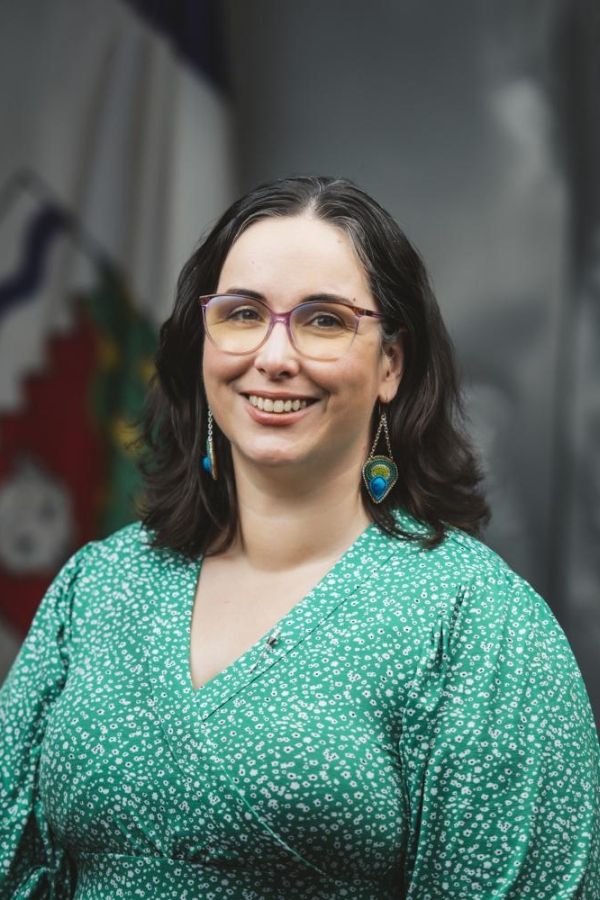
Mr. Speaker, this is an issue which my colleague noted has been raised by many Members of this Assembly and past Members. Notably, the current Member for Kam Lake raised this issue when she was a regular MLA, and my Frame Lake predecessor, Mr. Kevin O'Reilly, who I want to refer to here because he spoke a lot in favour of this -- and I just want to note that those words are still relevant today because we still don't have a child and youth advocate. Mr. O'Reilly noted that this -- as of 2022, this issue had been raised almost 900 times in the House since 2003. He himself has raised it a bunch of those times.

Mr. Speaker, he noted that the offices of child and youth advocacy are commonplace in Canada. In fact, as noted by the Member for Range Lake, we are the only jurisdiction in Canada that does not have a child and youth advocate. When the child and youth advocate from the Yukon presented to us earlier this week and we met with her, that really stood out to me, that we have this Association of Child and Youth Advocates of Canada and NWT sticks out as a sore thumb as the only jurisdiction that isn't a member of that association because we don't have a child and youth advocate.

Mr. Speaker, I can't emphasize enough that this has been a very long time coming, MLAs have been fighting for it for a long time, and I think it's time for the NWT to finally catch up.

Mr. Speaker, at the time that Mr. O'Reilly raised the issue in 2022, he noted that the department was looking actively at options for establishment of that role. He had been reassured a jurisdictional scan was underway. Members were told that we were looking at proposed models. The unique circumstances of the NWT needed to be analyzed both in terms of national changes in child welfare and to address the need to build and share accountability with Indigenous governments. All of that work was needed now more than ever in light of the 2018 auditor general's report on child and family services and subsequent recommendations from Indigenous governments and key stakeholders. As he noted in 2022, we were no closer to creation of an advocate and, unfortunately, here we are in 2026 and it feels like we are still no closer to creation of an advocate though I hope that today is the turning point.

Mr. O'Reilly closed his statement in noting that in light of other jurisdictions' successes and his work with constituents seeking the authority of an arm's length child and youth advocate is that the time for a child and youth advocate is now. He said those words in 2022. As the new MLA for Frame Lake, I repeat those words today. The time is now.

Mr. Speaker, I think the Member for Range Lake bringing forward the motion spoke to it quite extensively, so I don't want to repeat those words. I don't want to repeat the things he'd been saying. I note that this is something that I was talking behind the scenes with the ombud about and looking as to whether that service could potentially include this. The ombud is a very busy office right now, and I think something that I would emphasize is that, again, we are the only jurisdiction that doesn't have a dedicated child and youth advocate, and I really do think that the best model is the model that exists in all the other jurisdictions. It's a tried and true model. It's something that the NWT is an outlier in not having. And so I really encourage the government to look at that model and implement that model. We have talked about this more than enough. And so I am not going to talk about it much more because I think the statements that are in Hansard already from many Members of this Assembly, including at least one Member of our current Cabinet, many Members in past sittings and past Assemblies have raised this issue, so there's more than enough in Hansard, as Mr. O'Reilly raised 900 times, Mr. Speaker. We don't need more talk about this. The work just needs to get done.

Mr. Speaker, typically a government's response to motions involves an explanation of ongoing work and tends to detail reasons why the requested action won't be taken at this time for such and such reasons and different justifications. I want to emphasize, again to my Cabinet colleagues -- I hope you're paying attention -- this is not a motion I will be accepting a no for in response. I am just going to pause on that.

I really want to emphasize that, that the time has come to finally take action. How many Assemblies need to say it? How many motions need to pass on the floor? How many speeches do we need to make before we finally put the NWT in the position of not being the only jurisdiction of Canada without a child and youth advocate? That's all I can really say on this, Mr. Speaker. I hope Cabinet takes this seriously this time. Thank you.

Speaker: MR. SPEAKER

Thank you, Member for Frame Lake. To the motion. Member for Monfwi.

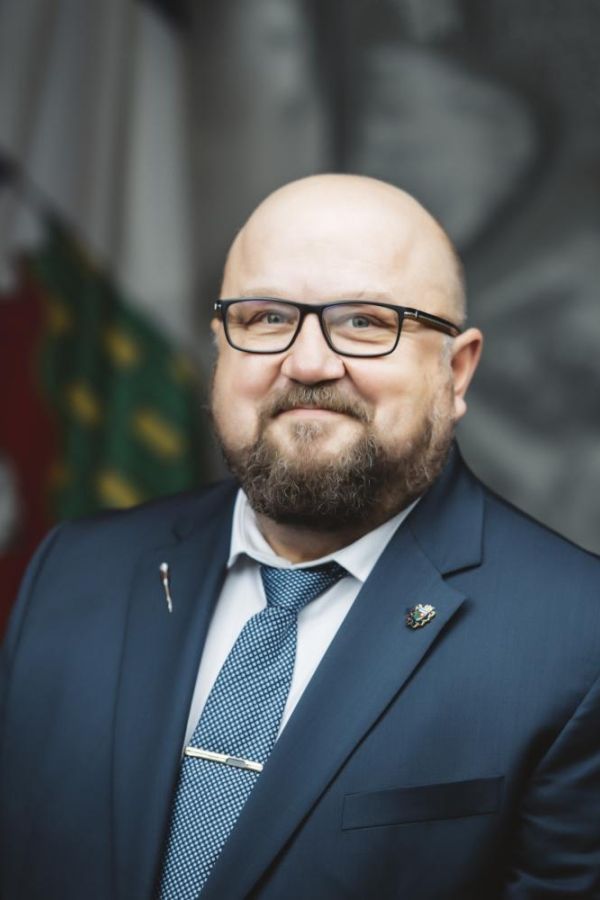
Mr. Speaker, thank you. Mr. Speaker, I second it and support this motion to see positive change. I advocated and talked countless times in this House about improving the system, strengthening the system. We need to find ways of helping and working with the children and youth in care. In the process, work with the families. We know many of the descendants -- many of the children in care are descendants of the residential school survivors.

Mr. Speaker, we are in a crisis situation. We have said it many times. Families and children do need help. At this time, there are over 90 percent of children that are in care are Indigenous in the NWT. Mr. Speaker, how many of these children are permanent care? How many of them have reunited with the families? How many of the children have aged out of the system? And all through the years we never had an advocate.

Mr. Speaker, we need to find ways of helping and working with the children and their families. The advocate office will help in the process. This support is greatly needed in all of the NWT.

Mr. Speaker, we know that when the children are small, they are easy to work with, to deal with, but once they become teenagers, for many it is difficult. It becomes -- it's difficult for the youth and it becomes difficult for the foster parents. So as a result, we see places like home-based programs. They step in. They take over from where the child and family services have failed. Thank you, Mr. Speaker.
Speaker: MR. SPEAKER

Thank you, Member from Monfwi. To the motion. Member from Great Slave.

Thank you, Mr. Speaker. And thank you to my colleague from Range Lake for bringing this forward today.

So I want to differ slightly on some comments from my colleague from Frame Lake. Across Canada it's not always an independent child and youth advocate office. In Quebec, the function is within the Human Rights Commission. And in Ontario and Nova Scotia, the oversight of children and youth are in the ombud's office. And as the Member for Frame Lake earlier said, there has been work done in the previous few months from some Members to look into what a middle path might look like to have this function sit within the ombud's office.

I appreciate the broadness of scope that the motion speaks to. I appreciate that the Member for Range Lake is very passionate about this. As he knows, I have dealt with similar situations. He detailed them, and I don't wish to speak to them again as you have cautioned, Mr. Speaker.

So over the last few months, this middle path does appeal to me. I have spoken to Cabinet colleagues about it. I believe that there are low-cost, high-impact solutions that exist, but I will still support this motion today as trying all tools in the toolbox, and I recognize that it would be -- to steal a term from the Member for Monfwi, I believe was a Cadillac solution, or was it -- at any rate, I think it would be the best solution that Members are looking for. I think this is something that cannot be ignored, that must be taken seriously in the life of this Assembly, Mr. Speaker. And that's where I will leave it today. Thank you.

Speaker: MR. SPEAKER

Thank you, Member from Great Slave. To the motion. Member from Yellowknife North.

Mr. Speaker, I do support this motion, but first I want to step back and acknowledge that this is a very difficult subject and that the weight of history is heavy. Who has the right to decide what's best for anyone's children, especially what's best for Indigenous children? Who has the right to even stand up and talk about what's in the best interest of Indigenous children?

We know that throughout history, and even today, we've had settlers to this place stepping in and deciding what is best for Indigenous children, forcing those decisions through with violence and incredible harm to children, families, and communities. Children have long been pawns in power struggles, in bigger political struggles, and we have to do everything we can to stop that and break that cycle. So how? How do we stop children from being pawns and used for other people's interests?

We speak often in this House about the United Nations, about universal rights, principles that all humans around the world can agree upon, and one of those is that children matter. Children do have rights. Decisions about children must prioritize the best interests of the children first and foremost. And that doesn't mean that the child gets to be the boss and order everybody around and get everything that they want. Children have to respect their elders, and that's true not only in Indigenous cultures but pretty much in all of our families.

So one of the objections I have heard to establishing an NWT child and youth advocate in the past has been that it would be more appropriate for this to be led by Indigenous governments, for there to be a separate advocate for each region, even each community, that it should be led by each community and not by us, the GNWT. However, we also know that the current reality is that there are very many children, especially Indigenous children, currently in the care of the GNWT. I think everyone's long-term vision and aspiration is that this would stop being the case, that we would move towards a system where each Indigenous government potentially taking over child protection, family preservation, all of those things. We're not there yet, and I don't think we see that child protection will be taken over by Indigenous governments even in the near future. So what do we do now?

I think it is a good step to start with a territorial-wide child and youth advocate office. I think there are many ways this could be done in partnership with local communities, local Indigenous governments, to make sure that this is not something that railroads over what communities want but that everyone is actually working together to work for the best interests of the children, especially children that are in the care of this government, essentially.

I do carry a lot of concern that the status quo is that the director of child and family services holds extraordinary power and decision-making power over the lives of a lot of children, and we need more mechanisms and checks and balances to ensure that that power and that those decisions always put at the centre the best interests of the children.

I do want to say, too, I think we always need to discuss this issue with humility, with compassion for everybody involved, everyone involved, especially in the CFS system, everyone working in the system. But what I understand from other child and youth advocate offices across the country is that they are there to try to bring people together, to try to find solutions, to try to mediate where possible, and not to simply sort of finger point and shame and blame. I think there's also a lot of skepticism, and perhaps this is what has blocked this initiative in the past, that would this really make any difference. Do we need another office, more staff people assigned to, you know, fill out forms and check boxes and, you know, write reports? Is that going to really make a difference in the lives of children? I think the short answer is it can as long as the staff working in this kind of advocate office are passionate and dedicated and want to make a difference.

Now, I think there's a number of ways this could happen, ways that we could do this, and that there can be ways to work with the existing ombud office to expand its potential to advocate and work for the best interests of children and youth. I do know that there is a lot of dedication and passion within the ombud's office for serving children and youth. And that's huge. So I think this is the time to build on that and use that passion and dedication to make a real difference.

So in conclusion, do I think that establishing some sort of office or sort of bureaucratic process is the magic bullet? Is it the one solution? Of course not. There are very few magic bullets in the world. I do think it's an important start because the status quo is not working. I also want to acknowledge we desperately and urgently need changes to our Child and Family Services Act, and I do hope that's coming soon in this Assembly. There's a number of other work that we need to do. I think pretty much people at every level, organizations at every level in our communities, in our government, have a part to play, but this is an important start and so I do support this motion. Thank you, Mr. Speaker.

Speaker: MR. SPEAKER

Thank you, Member for Yellowknife Knife North. To the motion. Member for Yellowknife Centre.

Thank you, Mr. Speaker. A motion like this kind of gives you a pause and it gives you pause by asking yourself, like, why don't we begin at the end and hopefully we'll meet there somewhere. What do we envision?
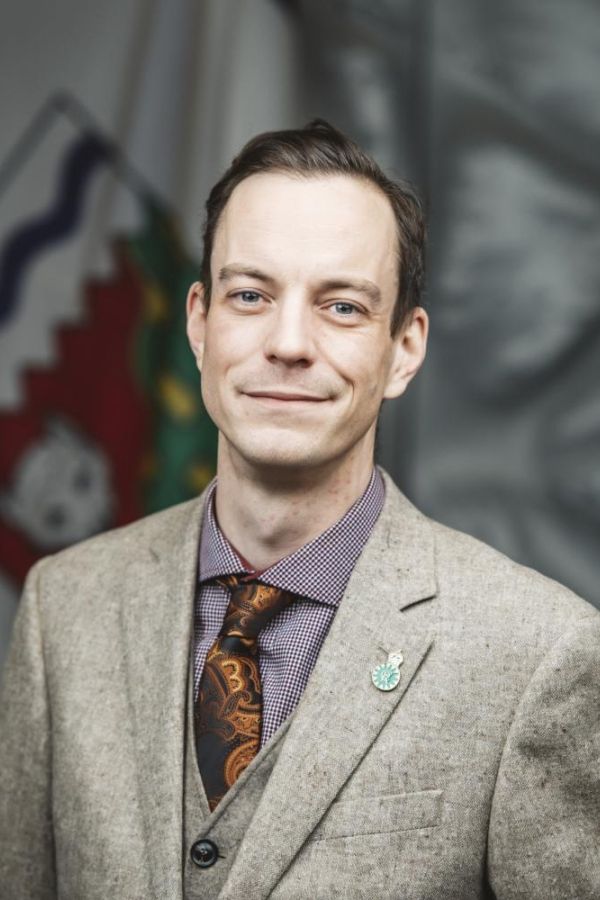
Some of us envision that youth are being advocated for, someone's standing there listening to their voice, someone's sitting there going through their story, someone's understanding the struggle this young person may be having, and they're able to tell this story in a way that the system cannot. I think it's important, and no one's said it yet, but it's important that we should take another pause as we work towards the end of this narrative by saying it's not that anyone here is saying the system sucks. We're just saying it's less effective and we think there's a more effective way to do that.

Now, I don't know what the NWT government knows that ten provinces and two territories don't see. I don't know, maybe they see something none of us can see. But I can tell you that often I hear when it comes to doing something it'll always start with well, who does it? How do they do it? Why do they do it? Prove it to us. Where's the facts? I haven't seen enough facts. Those facts aren't good enough. They're not my facts. And on and on and on.

Mr. Speaker, it's not that the system isn't trying. It's just it's been proven in ten provinces and two territories to be more effective when it comes to sharing the concerns, the struggles, caring for, and making sure the youth and child advocate voices go heard. Now what would they do?

Now I am going to be clear. I am not your champion to further bloat government. I think jobs are important. I do. And I think rules are important. But just to give a blank cheque, no. But I'd say this: This isn't going to bloat the government. This is one of those offices that when we turn around and say why didn't we do it sooner? What held us back?

Well, let's think about what it does in a different way. Could you imagine someone in the current system investigating themselves through the process? No. And, again, these aren't bad people, I am just saying it's less effective. Can you imagine them investigating and creating reports of the system, how the system isn't working? It doesn't work that way. Could you imagine them in the same office doing reviews of their process on the files? Not the same way.

Mr. Speaker, could you imagine them monitoring the effectiveness of these placements? We've heard passionate stories from the MLA for Range Lake about young people bouncing and bouncing and bouncing. The same stories told by the MLA for Monfwi, young people bouncing so continuous that they finally bounce out of the system when they become no one else's problem. So I'd like to say, back to imagine thinking of the end. Can we get there?

Absolutely. We have a budget process. We're doing it now. We have Members, hopefully all of us, say yes, this matters. We could have the Minister at this very moment say I have to declare we're going to do this. That would kill the debate. Everyone would be in tears. We'd be throwing paper in the air and like, woohoo. You feel like you've done something meaningful.

Now, again, imagine -- I know it's hard for some people and there's a little bit of humour in this but it's true. Some of us haven't been a young person for a long time. Now I am not saying anyone here has a birth certificate that says British North America. There might be somebody in Cabinet or two, but. But the truth be told, Mr. Speaker, could you imagine your voice if you were a young person -- and I am speaking to the Members and the Ministers, and even you, Mr. Speaker. Everyone in this room is listening. Could you imagine being a young person and no one's representing your story, your struggle?

The system is engaged to be the system. And that's the challenge there. They have guardrails and processes, and they time in on the clock. They time out of the clock. They drive the government vehicle there. They, you know, process everything government-wise. What it misses is that deep-rooted connection these offices have, these advocates have, for the cause. And, again, I want to underscore this is not a strike in any way about who's working there. It's just different. And so those stories are shared.

Now let's talk about different stories, the stories of young people with fear, without love, maybe hunger, maybe stress, maybe trauma, maybe not even knowing what the future holds. And that advocate would represent that and ten times more, to make sure that those voices don't get lost, they don't go silent with the wind. We often talk about how important the vulnerable are, and I worry sometimes we've spoken the words and we're not listening to them.

This motion is not a strike against the system. It's saying how we can improve the system. And I finish by saying, once again, ten provinces, two territories, what do they know that we don't? I think it's time we ask them what do they know we don't? And I think it's time for us to connect with that problem. Because if we could lead it to a better way and make the life better for one child, then maybe two, maybe three or four youth, it just builds. And, Mr. Speaker, that then begs the very question if we're not doing things like this, then why are we even here? Thank you.

Speaker: MR. SPEAKER

Thank you, Member from Yellowknife Centre. To the motion. Member from Inuvik Boot Lake.

Thank you, Mr. Speaker. Mr. Speaker, I thank the Member from Range Lake who moved this motion, created the motion, as well as the Member from Monfwi. I won't reiterate all the passionate and eloquent things that have been said on this motion. Simply to say, Mr. Speaker, as a leader, as a legislator, as a father, I strongly support this motion, and I would hope that everybody in this building will do the same. Thank you.

Speaker: MR. SPEAKER

Thank you, Member from Inuvik Boot Lake. To the motion. Member from the Sahtu.

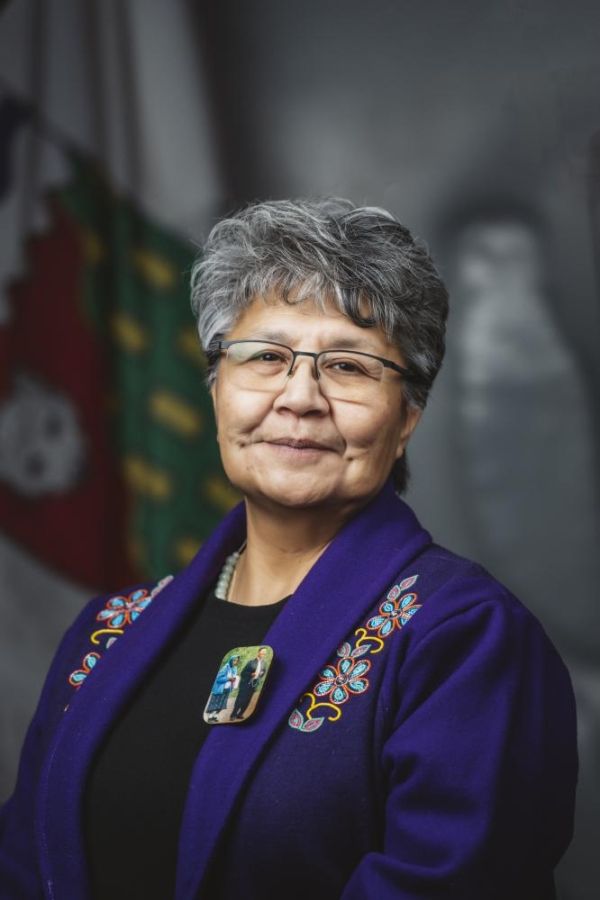
Thank you, Mr. Speaker. I too will be supporting this motion. As a Member of this circular community, it's actually the right thing to do. As a residential school survivor, and everybody in this House here being children in some way or another, maybe some not so out it, but the experience of the children that we serve, Mr. Speaker, it's our fiduciary obligation as parents, grandparents, uncles, nieces, nephews, to do what's best for the society and not kick the can down the road 900 times. And it's also our fiduciary obligation to show leadership and build our society. We've got huge problems out there in smaller communities. I see it frequently. And to establish and strengthen our communities, we use words like it's the best pillar for the community. As I mentioned, this is the right thing to do and to send a message to the parents that we have the best interests of your child, and we've made that decision. And we talk about our budget deliberations, and when I sit on this side, I count the votes to nine. We can sincerely make a difference. Maybe it should be thought on utilizing that in the remaining days we have, Mr. Speaker, because it's the right thing to do. I can't emphasize enough. And I only can imagine the children in these smaller communities living in, to some degree, impoverished conditions. And it's quite shocking at times to visualize what you've seen. And now we are at the threshold of making a decision in favour of this motion because it's the right thing to do. Thank you.
Speaker: MR. SPEAKER

Thank you, Member from the Sahtu. To the motion. Member from Dehcho.

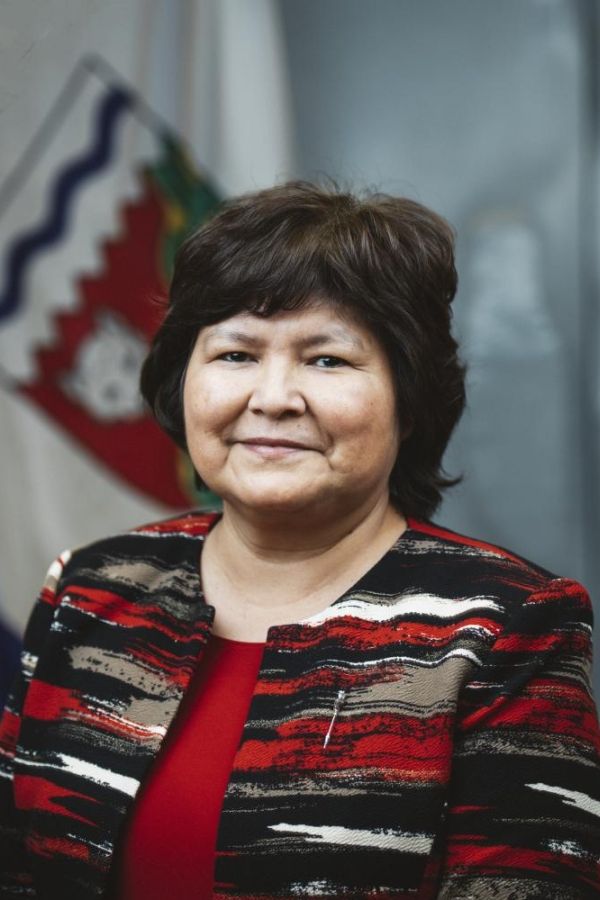
Thank you, Mr. Speaker. When this first came up, I was very -- I guess you could say I was concerned about it because in some ways, as a family member, as a mother, and looking at the way things happen, and my colleagues talked about residential school, how things worked out for a lot of people in our communities, I was saddened to think that responsibility for families’ needs to come from the parents; however, in most cases, in a lot of cases, there's children in our communities that, for whatever reason, are put in care. Either parents died or passed away or something happened and the child ended up in care. And so one of my colleagues also mentioned that we're raised to -- children have to respect the elders. We need to be going down that kind of road with children. However, this came about, and it kind of made me think about it because I really don't want another organization or entity that needs to be looking after our children. Me, as a parent, I need to look after my children. I need to do that. However, like I said before, for whatever reason our children end up in care. And I too had to deal with a young lady that a child was put in care. She was struggling to try to get her kid back. So I see how this process could help her. I see how it could help her to close that gap. She was trying to clean up her life, get things organized for herself, doing the best she could. And I see how this could help her because the system in place was trying to push her away from her child. And that is not the way things should go. So I too had to think about this, so I need to be supporting this with my colleagues to say that and to have this process -- to look at this process, how it will work out. I would like this process to be developed for the Northwest Territories, by the people of the Northwest Territories, not just somebody else's views that come in and tell us again how we're supposed to live. So having said that, I will be supporting the motion. Thank you, Mr. Speaker.
Speaker: MR. SPEAKER

Thank you, Member from the Dehcho. To the motion. Member from Inuvik Twin Lakes.

Thank you, Mr. Speaker, and thank you to the mover and the seconder of the motion for highlighting the importance of ensuring that children and youth and families who interact with the child and family services system have access to meaningful avenues for support, feedback, and recourse.

Mr. Speaker, the well-being of children and youth is a priority for this government and we do remain committed to strengthening transparency, accountability, responsiveness to our system. This motion proposes an establishment of an independent Office of Child and Youth Advocate as a statutory officer of this Legislative Assembly. The advocate could possibly extend beyond child and family services, encompassing other services for children, such as justice, education, health; therefore, before determining the most effective pathway forward, the GNWT would need to undertake a comprehensive analysis of all of our current mechanisms that we do have within all of those different authorities. This work will help us understand where the gaps are. If there is opportunity to expand on existing processes to meet these needs and if such, an office is set up.

What the appropriate focus could and should be, at present, there are several processes available to children and youth and families and caregivers. We do include internal complaints resolutions, opportunities for reviews by administrative decisions by the statutory director, reviews of the quality, service, and compliance and standards of practice, and the ability of clients to bring concerns forward in broader oversight bodies such as the Office of the Ombud, as the Member had said in his statement.

Mr. Speaker, we recognize that these processes may not meet the needs or the expectations of children and youth, particularly when navigating our complex systems during challenging times. We also acknowledge that some voices, especially those of young people, may still feel unheard or youth may still be unsure of where to turn when they have concerns. For these reasons, we will proceed with a thorough assessment of all existing oversight and complaint pathways. This will help us determine whether establishing a statutory child and youth advocate is the best approach or whether enhancement to other existing structures could achieve the same or better outcome for young people. And we are committed to ensuring that any future model is designed to be effective, accessible, and responsive to the unique needs of the Northwest Territories children and youth.

As many members have said in this House, these are Indigenous children and youth in care, and we need Indigenous voices at the table to be able to help us make these decisions. So once this analysis is complete, we will report back to the Assembly on our findings and propose a next step.

Mr. Speaker, as this motion makes recommendations to government and Cabinet, we will be abstaining from this vote. Thank you, Mr. Speaker.

Speaker: MR. SPEAKER

Thank you, Member from Inuvik Twin Lakes. To the motion. Member from Range Lake, to conclude the debate.

Thank you, Mr. Speaker. Mr. Speaker, thank you to all my colleagues who spoke to this motion very passionately with very moving testimonials as to the importance of this motion. And thank you to the Minister for laying out the government's position on this.

I want to quote from my colleague from Frame Lake where he said the ombud is very busy right now. The ombud office, one, that is about administrative fairness, as I said, so it's not dedicated to advocacy of any particular person or segment of society. It is about making sure the government is doing the right thing based on its own policies. Very different from an advocacy office. But, Mr. Speaker, that debate itself followed a very similar course through this Assembly to establish the Office of the Ombud. My friend from Yellowknife Centre was in the 17th Assembly when the decision was made. It took the 18th Assembly to make it, which you and I served in, Mr. Speaker, and there was pushback at that time as well. And the argument then was we don't need an ombud; we have MLAs. Or we don't need an ombud; we have other independent things. It's just a waste of money and time when we've got all these other complicated government systems and politicians in place.

Now we have an ombud, and it's busy. It's very busy, Mr. Speaker. It's a growing office. Because the idea of independent oversight is a compelling idea. It is a fundamental concept for a democratic society. And when you add more transparency to society -- this is a proven fact -- you improve outcomes. You improve even GDP. You improve every element of that society.

So this is not just about having another complaint box. Far from it. This is about ensuring we have effective oversight of a government service that has profound power over the lives of people who have no voice in society. Not only do they have no voice in society, but they have no voice inside the system that they're in. So, Mr. Speaker, that's why this is so important. Members have clearly indicated that support.

I did want to comment on the system itself and those who work in it. We have many hard-working social workers, and I know they care. And this is not an indictment, or the comments made, the speeches made today are not -- the debates are not an indictment of any particular worker. I believe firmly that you need to blame the problem, not the person. And if you are a part of a system that's not working, you can't hope to fix it from the inside out. You need a systemic solution to a systemic problem. And the system, not to disagree with my colleague from the Yellowknife Centre, but after two scathing auditor general reports, most reasonable people do, in fact, think that this system does, in fact, suck. And the efforts of the system to self-correct have left children and parents wanting. And clearly, we need to try something else.

I also want to thank the Members, our honourable colleagues, who are residential school survivors who told their story and they shared their experience. It was moving and cut straight to the heart of this motion. I sincerely thank all of you for sharing those stories and reminding us of our shared responsibility towards reconciliation, that we need to do more than what we're doing. We need to do everything in our power, and that includes taking bold steps in the right direction.

To the idea of more studies -- and I will end with this, Mr. Speaker -- we don't need any more studies. You've had 900 words, plus what we've added in this Assembly, of people talking about this office. You've had plenty of time to study. You have had plenty of time to assess it. And in the past, you've had plenty of time to say no. Now is the time to say yes. I can help you with your assessment. Do it. Because what we have now is not working.

Mr. Speaker, the Member for Sahtu framed this perfectly. It's time to do the right thing. So I call on this government to do the right thing, because the buck stops with us. And as a father as well, when I look into the face of my children, I can't imagine what it would be like to be separated from them but if I was, I would want to know that the system s that ensure their safety and their well-being, are in fact intact and not shrouded with secrecy with no advocacy. That's what this motion is about. It's about children in the Northwest Territories. It's about parents. It's about families. It's about the most vulnerable people in society. And I thank my colleagues who have spoken to support. And I hope, I hope, that we will all do the right thing and bring this office into existence. Thank you, Mr. Speaker.

Speaker: MR. SPEAKER

Thank you, Member from Range Lake. To the motion.

Speaker: SOME HON. MEMBERS

Question.

Speaker: MR. SPEAKER

Question has been called. All those in favour.

I would ask for a recorded vote, Mr. Speaker.