Debates of October 16, 2025 (day 63)
Prayer or Reflection
Please be seated. Colleagues, before we get going with my opening remarks, I would like to thank D'Arcy Jay Moses for the vest he made for me. It took a little time but I got this beautiful vest, and I can still smell the moose hide. So I greatly appreciate his work, and I thank him very much.
Today's speech is probably not what you want to hear, but it's going to happen anyway.
Good afternoon. I'd like to thank the Dene Drummers for the opening song today. Colleagues, welcome back to the House. Also, I'd like to thank elder Shirley Elias for opening this session with a prayer. Thank you.
I'm also pleased to welcome our pages and interpreters back to the chamber. Your hard work and dedication help us do our job. Thank you.
Members, please, remember to speak slowly and clearly so our interpreters can do their jobs, and they reminded me as I welcome them back today.
Before I continue, I also want to note the passing of former Speakers Pedersen and Gargan since this House last sat.
Mr. Asger "Red" Pedersen was first elected to the Legislative Assembly in 1983, representing the Kitikmeot West constituency during the 10th and 11th Assemblies. He served as a Member of the executive council, holding numerous portfolios, and in 1987 he was appointed Speaker of the Legislative Assembly. He served in that role until 1989.
Despite not being of Inuit descent, he played a pivotal role in establishing Inuit institutions, always advocating for their autonomy and ensuring that membership remained exclusive to the Inuit beneficiaries. His commitment to the North was not just professional but deeply personal as he devoted his life to the people and the land he came to cherish.
Mr. Samuel Gargan was first elected to the Legislative Assembly in 1983 and represented the Deh Cho for 16 years. He even returned to join us for an elders' parliament in 2014.
Mr. Gargan was a lifelong advocate for Indigenous rights, governance, and cultural traditions. He was respected for his leadership and dedication to his people.
I offer my deepest condolences to the families and many friends of Mr. Pedersen and Mr. Gargan.
Colleagues, the 2025 Fire Season was another difficult one for many communities and regions within the territories, including my own. Once again, we faced evacuations, but I am proud of how people came together to help and support one another. That is what we do as Northerners. I want to send a special thank you to all those who fought these fires and to all the volunteers, families, and friends who provided assistance to residents during the evacuation. On behalf of the Assembly, thank you.
Colleagues, I ask that you listen carefully to this next part.
I am deeply concerned by the divided and partisan speeches that have become all too common in our communities and our legislatures. This is a time when leaders need to be working together for the good of all people. However, we seem to be moving farther apart. So I ask you, what can and should we, as Members of this Assembly, be doing differently? How can we better work together to serve those we represent? Can we be the change that we want to see in this world?
Colleagues, I don't have all the answers. However, some of the answers can be found in the guiding principles of consensus government in the Northwest Territories. We have all seen and reviewed this document. It is available on the Legislative Assembly website. I want to highlight some of these important principles.
A healthy level of tension must exist between Cabinet and Regular Members. The ultimate goal of the Regular Members is not to defeat or discredit Cabinet, but it is their responsibility to hold Cabinet to account.
Colleagues, these are just three of the eleven principles. I strongly encourage you to review the document in its entirety. More than that, I ask you to reflect on these principles and commit to upholding them. I am asking you to show respect for one another, for this institution, and for the people who elected us, by choosing your words carefully and thoughtfully. Hold yourself and each other to the highest standard expected of us.
Colleagues, we are all political people; it is what we do. We don't always agree however we can do better, and I believe we have. This is a time when we need to come together, not grow further apart. Committing to these guiding principles is one way we can come together and work efficiently for our people.
Colleagues, I have received the following correspondence from the Commissioner of the Northwest Territories, the Honourable Gerald W. Kisoun. It states:
Dear Mr. Speaker, I wish to advise that I am recommending to the Legislative Assembly of the Northwest Territories, the passage of
Appropriation Act (Infrastructure Expenditures), 2026-2027;
Supplementary Appropriation Act (infrastructure Expenditures), No. 2, 2025-2026;
Supplementary Appropriation Act (Operations Expenditures), No. 2, 2025-2026;
Supplementary Appropriation Act (Operations Expenditures), No. 3, 2024-2025,
during the October sitting of the First Session of the 20th Legislative Assembly.
Yours truly, Gerald W. Kisoun.
Ministers’ Statements
Minister’s Statement 144-20(1): Sessional Statement
Mr. Speaker, as we come together for the fall sitting of the 20th Legislative Assembly, I want to welcome all Members back to the House and thank the people of the Northwest Territories for their strength, generosity, and optimism about the future of our territory, even in the face of challenges.
The work we do in this House reflects the people we serve. Northerners face adversity with determination and meet change with creativity. Whether it is returning home after evacuations, adapting to new realities in our communities and economy, or finding new ways to support one another, the spirit of the North continues to shine through.
That same resilience and cooperation guide the work of this Legislative Assembly. Every decision we make here is about helping people, about making life more stable and more affordable and more secure for Northerners and their families.
Since our last sitting, Northerners have once again shown what it means to stand together. From Fort Smith to Fort Providence, from Whati to Jean Marie River, communities supported one another through another challenging wildfire season. While this year's season was shorter and less severe than 2023, it still tested our systems and our patience.
I want to thank the firefighters, community emergency teams, and volunteers who worked tirelessly to keep people safe, as well as the residents who helped friends, families, and neighbours through evacuation and return. I also want to acknowledge the communities of Hay River, Yellowknife, and Behchoko, which opened their doors to evacuees and emergency responders from across the territory. Their generosity and compassion reflect the true spirit of the North.
This season, we also took important steps to put lessons from last year's emergency reviews into practice - improving coordination, communication, and preparedness - so that every community is better supported when disaster strikes.
Mr. Speaker, as we gather for this fall sitting, we do so at an important moment for the territory. We are halfway through our term in office; a time to reflect on how far we have come and to set our sights on the work still to be done.
Over the past two years, our government has focused on strengthening partnerships, improving housing, and building the foundations of a stronger, more sustainable economy. We have also been working to address the lasting effects of recent challenges, from the social and economic impacts of COVID to the disruption caused by wildfires, floods, and global economic shifts. Through it all, our focus has remained the same: To make life better for Northerners and to build a territory where people and communities can thrive.
As we look to the second half of our term, our focus must remain on delivering tangible results that build trust, stability, and opportunity in every region of the Northwest Territories.
Mr. Speaker, strong relationships with Indigenous governments are the foundation of good governance in the Northwest Territories. They are built on respect, trust, and the understanding that the future of this territory must be shaped together. This has been, and will continue to be, a central priority for our government.
When I speak about partnership, I am not referring to a single policy or agreement. I am talking about a way of governing that recognizes the role of Indigenous governments as decision-makers and as leaders. Our progress as a territory depends on this relationship being strong, respectful, and enduring.
I am pleased to report that these relationships continue to grow. Just last week, Cabinet joined the Council of Leaders on a mission to Ottawa. Together, we met with federal Ministers and senior officials to advance key northern priorities, including housing, infrastructure, health, energy security, and economic development.
This was the second time the Council of Leaders has appeared together in Ottawa, united in the message that lasting solutions for the North must be built in partnership with northern governments. Our meetings were productive and demonstrated that when we speak with one voice, we are heard more clearly.
We made it clear to our federal counterparts that investment in the North is an investment in Canada's future. The roads, energy systems, and housing we are building here strengthen the country's sovereignty, economic resilience, and climate goals. We also emphasized that our model of collaborative governance; bringing together public and Indigenous governments to solve shared challenges, is one that works.
Mr. Speaker, there are early, positive signals from the new federal government. Ministers were open, curious, and sincere in wanting to understand the realities we face and the solutions we are putting forward. There is a growing recognition that northern issues are national issues, and that meaningful progress in the Northwest Territories depends on partnership with Indigenous governments, with the GNWT, and with Ottawa.
Those conversations were encouraging but now the focus must be on turning that momentum into action. The next step is to translate collaboration into concrete results: *
Advancing joint proposals with Indigenous governments; securing federal support for housing and climate-resilient infrastructure; and,
Moving forward on the strategic, nation-building projects that will shape Canada's future; projects like the Mackenzie Valley Highway, the Taltson Hydro Expansion, and the Arctic Economic and Security Corridor.
Mr. Speaker, I want to thank all the Members of the Council of Leaders for their continued collaboration and leadership. The strength of the council lies in the diversity of its voices and the unity of its purpose. We are showing that by working together, we can make meaningful progress on the issues that matter most to Northerners.
Our ongoing work with the Government of Canada will continue to focus on ensuring that the North remains a national priority. These discussions reaffirmed our shared commitment to reconciliation, climate action, and sustainable economic growth. The Council of Leaders' recent visit to Ottawa showed what true partnership can achieve. It reflected the strength of our relationships at home and the respect that those relationships earn for us across the country.
When we work together, we not only move the Northwest Territories forward; we help build a stronger Canada.
Mr. Speaker, this approach is already delivering results. One of the clearest examples is the progress we are making on housing.
No issue affects Northerners more profoundly than housing. A safe and affordable home is what allows families to put down roots, children to learn, and communities to grow. Housing is not just about shelter; it is about stability, dignity, and opportunity. We are committed to ensuring that every Northerner has a place to call home.
This shared approach is reflected in the partnership we have built with the federal government and Indigenous governments on long-term housing solutions. Through the recently finalized 10-year, $74.2 million Canada Housing Infrastructure Fund agreement, we are investing in the core infrastructure that supports housing growth, including drinking water, wastewater, and solid waste systems. This investment will help communities prepare land for development, increase densification, and meet the growing demand for housing across the territory. It is guided by the principle that housing is a shared responsibility, one that depends on all orders of government working together.
At the same time, our government is doing its part. For the 2025-2026 fiscal year, we have approved a $116 million capital plan that includes funds carried forward from the previous year. This is part of a broader $150 million three-year investment in housing that extends to 2027-2028. Through this plan, 250 units will be repaired this fiscal year and 219 new homes will be delivered across the territory, including 98 modular homes and 54 multi-unit buildings over the next three years, with nearly all construction contracts awarded to local and northern companies. In addition, 81 homes have already been completed since the start of this Assembly through investments made under the previous governments. This approach supports local economies and ensures that the benefits of housing investments stay in the North.
Mr. Speaker, we know there is still more work to do. Too many Northerners continue to live in overcrowded or inadequate housing. But every new home built, every lot developed, and every partnership strengthened brings us closer to our goal of ensuring that every Northerner has a safe and secure place to call home.
Keeping people safe at home is another priority of this government. Northerners expect accountability, fairness, and action; and our work continues to reflect those values.
We are reviewing the Access to Information and Protection of Privacy Act to ensure it continues to meet the expectations of Northerners in a digital world. This fall, government will also begin engagement on the proposed changes to the Civil Forfeiture Act and Safer Communities and Neighbourhoods Act. These updates are about protecting privacy and safety, while ensuring that the laws guiding our territory reflect fairness, transparency, and accountability.
Mr. Speaker, we have also taken important steps to strengthen the territory's emergency management system. After several seasons of major floods and wildfires, we acted on the lessons learned through independent reviews of our emergency responses. Those reviews made it clear where we needed to do better, and we are already putting those lessons into practice.
We have updated the NWT Emergency Plan to clarify responsibilities, expanded training for community emergency coordinators, and launched new tools to improve communication and public readiness. We have also introduced surge capacity protocols so that more staff and resources are available when major emergencies happen. This work is being done in partnership with Indigenous and community governments, whose leadership on the front lines has been essential. Together, we are building an emergency management system that is more responsive, more resilient, and better prepared for the challenges ahead.
But safety is about more than responding to emergencies. It is about prevention and community well-being. That is why we continue to support initiatives that promote healthy lifestyles, sport, and recreation across the territory. The sport and recreation funding framework is helping to create more opportunities for youth and families, while our 911 monitoring framework ensures that residents in every community can rely on timely and effective emergency response when it is needed most.
Building stronger communities also means supporting the health and well-being of the people who live in them. Access to basic health care is essential to that well-being. It is one of the most important responsibilities we share as a government, and one of the areas where residents expect to see steady progress and accountability.
This spring, we released the public administrator's work plan; a roadmap to strengthen health and social services in the Northwest Territories. It sets a clear direction to improve access to care, stabilize the health workforce, increase accountability, and streamline how services are delivered. The goal is simple: To make our system more sustainable and responsive so Northerners can get the care they need when and where they need it.
We are also taking steps to better understand and improve the patient experience. The 2025 NWT patient experience questionnaire is now open to residents across the territory, gathering feedback that will guide service delivery and quality improvements. At the same time, public health initiatives like flu and COVID-19 vaccination clinics, a new HPV self-sampling pilot, and the relaunch of the We Need to Talk About This Stuff mental health awareness campaign are helping Northerners stay healthy and reduce stigma around wellness and recovery.
In addition, Mr. Speaker, we are continuing to invest in health infrastructure and harm reduction. The Our Healthbox initiative now provides anonymous access to health and harm-reduction supplies in four communities making these important resources easier to access for those who need them. Ongoing water testing and remediation work at Yellowknife schools ensures that students have safe drinking water, reflecting our commitment to transparency and public confidence.
Taken together, these efforts are helping to build a health system that is responsive, community-driven, and grounded in trust. Every Northerner deserves quality care close to home, and our government remains committed to making that a reality.
Mr. Speaker, supporting the well-being of Northerners also means investing in education and opportunity. Education is the foundation of empowerment. It gives Northerners the tools to shape their own futures and the strength to carry forward the languages, cultures, and traditions that define who we are.
We continue to make meaningful progress in revitalizing Indigenous languages and strengthening the education system for future generations. The Department of Education, Culture and Employment has launched an Indigenous language instructor pilot to train and support new language teachers. We also recently hosted a gathering of regional Indigenous language coordinators and elders, bringing together language champions from across the territory to share knowledge and guide the new action plan for Indigenous languages that is now in development.
Mr. Speaker, we remain firmly committed to ensuring that every Indigenous child can access the health, education, and social supports they need. We continue to advocate strongly for the full implementation of Jordan's Principle so that children receive the care and assistance they deserve without delay or dispute. Through partnerships like the support assistants Program, we are making classrooms more inclusive and more responsive to the needs of all students.
Looking ahead, we know that the territory's workforce is changing. With mine closures on the horizon, we are working closely with Indigenous governments, industry, and training providers to help workers prepare for new opportunities. Our focus is on ensuring that Northerners have the skills to lead in the next generation of jobs - in clean energy, critical minerals, housing construction, and community infrastructure.
Our economy is at a turning point, Mr. Speaker. As long-standing mines near the end of their life, we are focused on supporting workers and communities through the transition while preparing for a new era of opportunity in critical minerals, clean energy, and strategic infrastructure. This is a moment of transition, but also one of opportunity; a chance to build an economy that is more diverse, more resilient, and more sustainable for the future.
We are working closely with Indigenous governments, industry partners, and communities to advance projects that promote responsible economic growth, and to develop a coordinated approach to major infrastructure investments, from roads and energy systems to broadband and transportation corridors, that will unlock the full potential of our regions.
The past year has shown real progress. The 2025 barging season was completed successfully, ensuring essential supplies reached northern communities and project sites. Planning is now underway for the winter road resupply, applying lessons learned from previous years to improve safety, reliability, and cost efficiency. These are practical steps that support communities, businesses, and the projects that drive our economy.
Mr. Speaker, our government continues to advocate strongly for federal investment in northern infrastructure. Projects like the Mackenzie Valley Highway, the Taltson Hydro Expansion, and the emerging Arctic Economic and Security Corridor, are not only territorial priorities; they are nation-building projects. They will connect communities, reduce the cost of living, strengthen Canada's sovereignty in the North, and create the foundation for long-term economic growth.
We are also focused on ensuring that Northerners and northern businesses benefit directly from these investments. Ninety percent of businesses in the Northwest Territories are small businesses, and they help sustain local economies by providing jobs, services, and support that strengthen our communities. By improving procurement processes, reducing regulatory red tape, and supporting local suppliers, we are helping them compete for opportunities to grow. At the same time, we continue to work with Indigenous governments to advance the shared goal of greater Indigenous participation and ownership in major projects. The North is leading the way in showing how economic reconciliation can create opportunity, build trust, and deliver lasting benefits to communities.
Mr. Speaker, this work, from critical minerals to clean energy to northern infrastructure, represents more than an economic plan. It is a vision for our future as a territory: A future built on partnership, innovation, and self-reliance. The North is ready to play its part in building the strong, secure, and sustainable Canada that we all want to see.
Mr. Speaker, as we enter the second half of this Legislative Assembly, I want to reaffirm this government's commitment to delivering real results for Northerners. These past two years have brought challenges and change but also steady progress in areas that matter most - stronger communities, more housing, and better support for people across the territory. We will keep building homes, strengthening community infrastructure, and improving emergency management. We will keep working to ensure that every resident has access to quality health care, that our youth have opportunities to learn and grow, and that our economy remains strong and sustainable. And we will continue to work with Indigenous governments, community leaders, and Regular Members to move this work forward.
Mr. Speaker, the past few years have reminded us that the challenges facing the Northwest Territories are complex and often unpredictable. But they have also shown the strength and determination of Northerners. Through difficult times, people have supported one another, and governments have worked together to find practical solutions. That collaboration has made us stronger and better prepared for what lies ahead.
Together, we have proven that when we listen to one another, when we respect one another, and when we act together, there is no challenge too great for the people of the Northwest Territories.
Mr. Speaker, I want to thank all Members of this Legislative Assembly for their continued dedication to the people we serve, and to public servants who work every day to deliver services, respond to emergencies, and support our communities. And above all, I want to thank Northerners for their resilience, their compassion, and their belief in the territory. The work before us is not easy, but it matters. And it is work we will continue to do with focus, cooperation, and care. Thank you, Mr. Speaker.

Thank you, Mr. Premier. Ministers' statements. Mr. Premier.
Minister’s Statement 145-20(1): Ministers Absent from the House
Thank you, Mr. Speaker. Mr. Speaker, I wish to advise Members that the honourable Member for Kam Lake, the Minister of Education, Culture and Employment, will be absent from the House today as she is travelling back from the forum of Ministers responsible for Immigration in Toronto, Ontario;
The honourable Member for Thebacha, the Minister of Justice, will be absent for today and tomorrow to virtually attend the federal-provincial-territorial Ministers responsible for Justice and Public Safety meeting;
As well, the honourable Member for Inuvik Twin Lakes, the Minister of Health and Social Services, will be absent today and tomorrow to attend the federal-provincial-territorial health Ministers meeting in Calgary, Alberta. Thank you, Mr. Speaker.
Members’ Statements
Member’s Statement 698-20(1): Community Ambulances
Mr. Speaker, in the small communities when someone has had a medical emergency, time spent reaching the health centre can be the difference between life and death. In Yellowknife, we often take ambulance for granted, but my constituents in Fort Resolution and Lutselk'e don't have access to any dedicated emergency medical transportation, and that puts lives at risk.
Emergency medical transportation is essential no matter the size of the community, even if the health centre is nearby. That short distance means little. It is no safe way to rush someone in a critical condition to the care they need. While the RCMP can offer help, they may not always be able to respond quickly, and asking the health centre staff to leave their facility as the last report is just not possible because they are not capable of treating patients outside their doors. Emergency medical responders are trained to handle these situations.
While the Department of Health and Social Services runs health centres, it does not provide emergency services like ambulance and paramedics. That responsibility falls to the communities but most, they do not have a tax base for funding to support those services.
Similar circumstances exist in the Yukon, but they already provide network and volunteer responders to maintain basic emergency medical services in the community supported by essential infrastructure and proper training. This demonstrates that with innovation and collaboration, community-led solutions can overcome limited resources and deliver effective emergency care. Living in small communities shouldn't mean accepting unequal access to essential services. Community leaders and frontline workers are ready to save lives by building these services together with their partners in the territorial government. Now the time is to act, and I will have questions for the Minister of the Municipal and Community Affairs at the appropriate time. Thank you, Mr. Speaker.
Thank you, Member from Tu Nedhe-Wiilideh. Members' statements. Member from Range Lake.
Member’s Statement 699-20(1): 2023 Wildfire Emergency Response After-Action Review
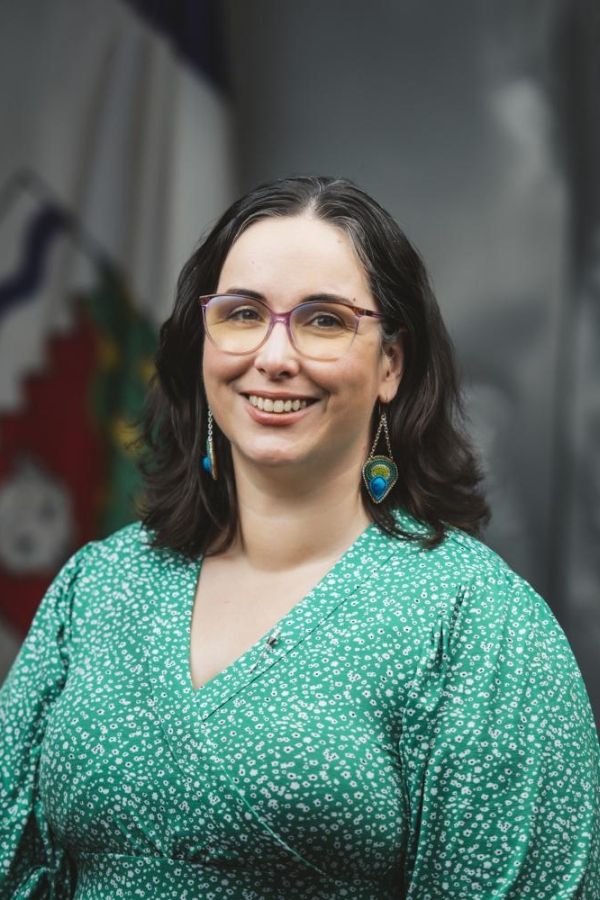
Thank you, Mr. Speaker. Mr. Speaker, I can't help but feel that the first day back in the House is like the first day back to school. But unlike school children, our work as Members doesn't stop for the summer, and warmer days bring more extreme weather events driven by climate change. Even though Northerners are the toughest people in the world, we are still recovering from the collective trauma of the 2023 wildfire crisis. But what isn't recovering is our constituents' trust in this government.
We were forced from our homes, separated from our families, and the emergency management system was laid bare to its faults which independent -- the independent after-action review laid out in its 164-page report, including
GNWT emergency management legislation that is lenient and lacks oversight and accountability;
The NWT emergency management organization structure is not agile enough for large-scale, multiple, concurrent or long duration emergencies;
The roles and responsibilities in the emergency coordination centre were ambiguous resulting in hesitation and indecisiveness among decision-makers; and,
The GNWT's lack of a dedicated territorial emergency management department or agency created challenges.
So why after so much time, and $331,000 of taxpayer expense, is the government rejecting any part of this after-action review let alone a foundational one that the consultants recommended immediate action in 0 to 12 months to implement? It is getting tired to say doing the same thing and expecting different results is the definition of insanity. But how can reasonable Northerners view this decision any other way? The emergency management system is not working the way Northerners want it to, Mr. Speaker. The criticisms from Fort Providence this year, including from a former Minister of this House, should be enough evidence to warrant change.
Mr. Speaker, why has the government put a price on public safety that they say is too great to afford without even looking at how they can make it work from reprioritizing existing resources. This rejection is nothing short than a lack of creativity, a lack of accountability, and a lack of care towards the most important function of any government: Keeping Northerners safe. Mr. Speaker, it couldn't be clearer that Northerners care about public safety, and later today I'll be asking the Premier why so many feel that he doesn't. Thank you, Mr. Speaker.
Thank you, Member from Range Lake. Members' statements. Member from Yellowknife Centre
Member’s Statement 700-20(1): 2023 Wildfire Emergency Response After-Action Review
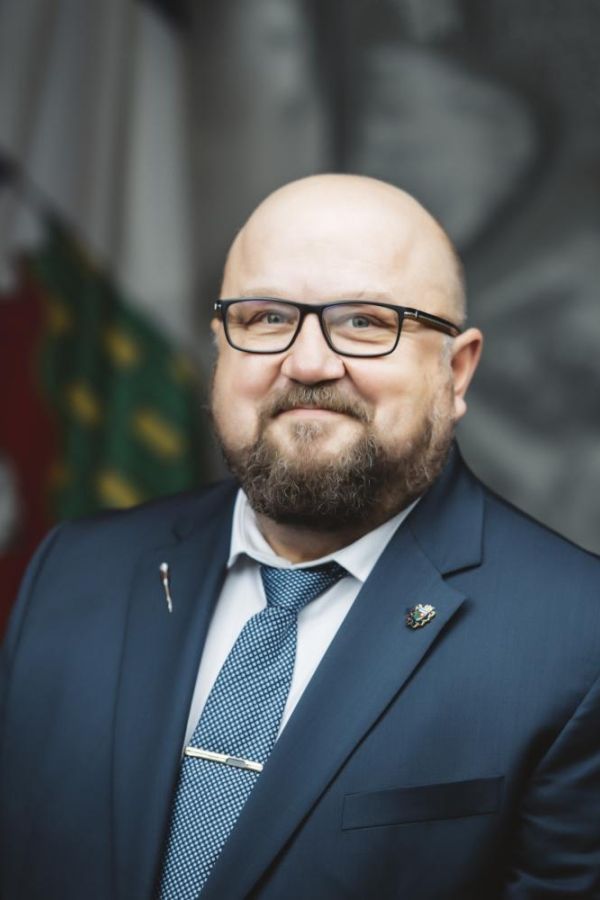
Thank you, Mr. Speaker. Similar to my colleague for Frame Lake, I too wish to speak about the report.
Transitional Solutions Inc., also known as TSI, was awarded the after-action report, not because they were friends with somebody, Mr. Speaker, not because they were a northern company and demanded a sole source, Mr. Speaker. They were hired because they were the absolute experts in their field.
Mr. Speaker, they are certainly way better than good. They are absolute experts in the areas of fire, master plan, industrial exercise, facilitation, organizational review, community risk assessment, fire delivery services. Mr. Speaker, the list keeps going on. But what's key here is I've read their reviews, and they're often defined as the gold standard of what they do, Mr. Speaker. So when the gold standard says things like the existing system, the territorial emergency management, proved ineffective during a large-scale disaster in their release, Mr. Speaker, that's a serious concern someone needs to pay attention to. Mr. Speaker, if anything, may I say it's a call to action.
Mr. Speaker, the problem is I've talked to people on the ground even this summer, experts in their field, and said it's not that people aren't trying hard, it's not that people around working hard. They need what's called ongoing leadership training and that relationship just as the report was pointing out, Mr. Speaker. TSI doesn't make these recommendations willy-nilly. These are important key ones to set the narrative and tone of how we manage these problems. So a dedicated emergency management agency needs to be done. But no, no, according to the Government of the Northwest Territories; it knows best. It says our population is too small, we don't have the money, we don't have the problem.
Mr. Speaker, look around. Fires are sooner, longer, laster. I'm going to quote Steve Austin: They're bigger, stronger, and faster, by goodness sake, Mr. Speaker. Times have changed. It's time this government hears the bell ringing before no one's left to ring it, Mr. Speaker.
Mr. Speaker, the government complains it's about money. Okay, I hear you. Give us a proposal. Ask us our opinions. I will give recommendations. I'll give a recommendation now, Mr. Speaker. We have the low hanging fruits of the $440,000 paid senior envoy position. I would say as a recommendation, if I was asked, there's a spot to start to hire a director to manage these problems. Mr. Speaker, I will have questions for the Minister of MACA about the analysis that the government did to come up with this glaring gap of service we should have risen to the occasion on. Thank you, Mr. Speaker.
Thank you, Member from Yellowknife Centre. Members' statements. Member from Inuvik Boot Lake.
Member’s Statement 701-20(1): Condition of the Dempster Highway
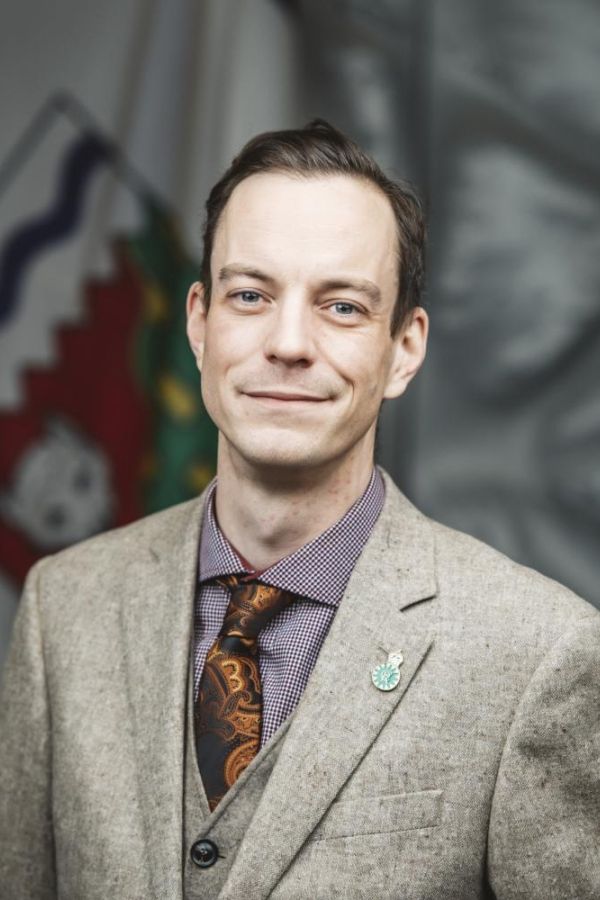
Thank you, Mr. Speaker. Mr. Speaker, I'm here for my annual report on the conditions of the Dempster Highway once again. Specifically, Mr. Speaker, the section from Rengleng River to Inuvik. I have received several calls, emails, texts, from community leaders, from business owners, from residents in the region -- as I know my colleague the MLA from Mackenzie Delta has as well -- on the condition of that road, Mr. Speaker.
Over the past few weeks, as is normal for this time of year, we've had a considerable amount of rain up there, and that section of the highway, Mr. Speaker, simply cannot handle that rain. It turns into mud, and it's almost undriveable.
A little research: I spoke to some of the contractors in our region who have been working on that road for several years, some of them when that road was built back in the late 1960s, and the issue being, Mr. Speaker, is that while there's maintenance happening on the road, they're simply out there grading mud. The section from Rengleng River to the border seems to hold up okay, and if you do some of that research you'll note that that work over the past ten years, that section has been resurfaced. So they've actually added some additional crush on there, and built that road up to a standard where it can handle that, those seasonal rains. The section from Rengleng River to Inuvik, Mr. Speaker, has not.
As you know, my community, the region, rely on that road for goods and services, businesses rely on it to stock their shelves. You know, residents rely on it to access services to Inuvik. It's such a critical piece of infrastructure for us, Mr. Speaker. I think again, you know, the only solution to this problem is for once and for all is to rather we do the maintenance, let's do it in June, not September, and let's look at resurfacing that highway, Mr. Speaker. Let's get out there and get that road brought up to a condition that once we do have the spring and fall rainy season, that that road can actually handle that rain and be maintained and be safe for all the residents of the Inuvik region. Thank you, Mr. Speaker.
Thank you, Member from Inuvik Boot Lake. Members' statements. Member from Monfwi.
Member’s Statement 702-20(1): Housing Access for Elders
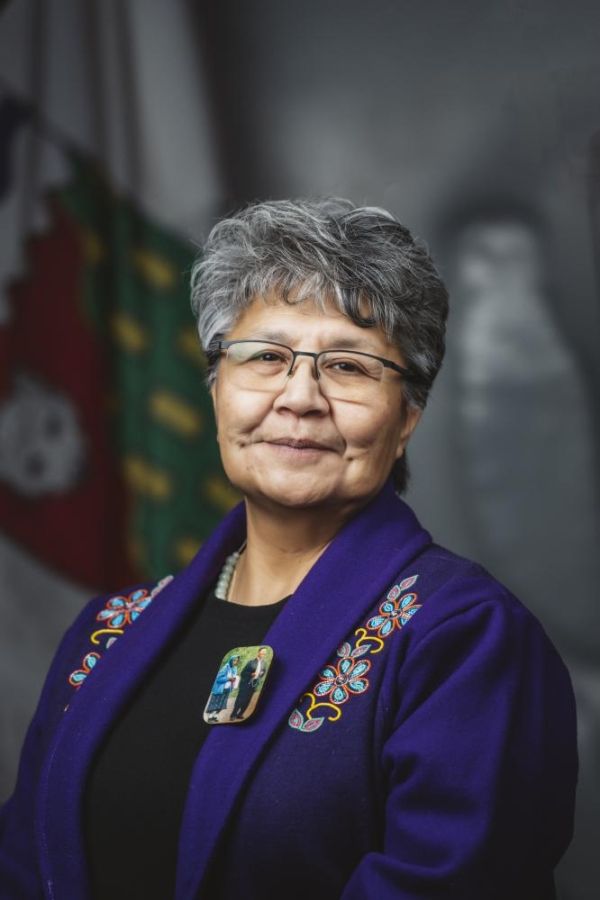
Thank you, Mr. Speaker. Mr. Speaker, accessing services, especially for elders.
Mr. Speaker, many elders in the Tlicho region continue to face serious barriers in accessing housing programs and services. In my role as MLA for Monfwi, I have sent numerous emails and correspondence to Housing NWT advocating for my constituents, and the response is often the same: Elders are encouraged to contact the North Slave district office here in Yellowknife.
Mr. Speaker, many of our elders face mobility challenges and language barriers. Asking them to navigate automated phone systems or travel long distance to access programs and services is unrealistic, unfair, and inappropriate. This situation highlights a serious gap in Housing NWT's service delivery. These systems are not designed with our elders in mind. Our elders deserve dignity, respect, and direct support while in our communities.
Housing is in crisis across NWT the, Mr. Speaker, and the Tlicho region is no exception. There are currently approximately 140 people on the housing waitlist in my region alone, and we have families in Whati sleeping in the living room floor with young children due to no housing. Not only that, their application was denied due to income.
Mr. Speaker, this is outrageous and unacceptable. People have to live and eat. Mr. Speaker, when housing outcomes are improved, so too are our social outcomes will improve. We know families are going to be stronger, children will do better in school, and communities will thrive. With this in mind, Mr. Speaker, I urge Housing NWT to consider placing a housing position directly in one of the Tlicho communities from North Slave housing office in Yellowknife. This would ensure that services are delivered by someone who lives in the community, understands the culture, and speaks the language. It would allow for more effective and respectful communication with elders and residents, ensure that housing programs reach those in need the most. Thank you, Mr. Speaker.
Thank you, Member from Monfwi. Members' statements. Member from Yellowknife North.
Member’s Statement 703-20(1): 2023 Wildfire Emergency Response After-Action Review
Mr. Speaker, it's been a long wait to receive the after-action review of the 2023 wildfire season and the government's response. If I can paraphrase much of the response, it was 'well, those are nice suggestions but now we have to start a whole new consultation process with all the Indigenous leaders and set up multiple working groups before we can commit to holding ourselves accountable through new legislation or regulation'.
We just had a year and a half of extensive consultation with leaders and residents in all the affected communities, including confidential interviews with staff who worked on the front lines of the evacuation, of the evacuations, and this was led by independent experts who most northern residents would trust more than they trust politicians or civil servants to guide us in emergencies. The idea of starting all over again in closed-door consultations amongst political leaders feels like a delay tactic and a way to avoid establishing enforceable standards and accountability.
Throughout its official response, the government describes MACA's role as primarily to provide communities with templates, workshops, information, as if the only thing preventing local communities from effectively managing emergencies is just not knowing which template or website to read. It's not enough to say, local communities, you're in charge of communities, and if you find you're in over your head in the middle of a crisis, just call us then. We need the GNWT to take responsibility beforehand for the big and expensive challenges around evacuations and the mass provision of emergency social services that no community could ever handle on its own. The GNWT needs to plan ahead how it will arrange, for example, the series of airlifts or how a group of vulnerable people will be housed and cared for in a host community.
I understand it is likely not feasible to hire a bunch of new people to set up a brandnew emergency management agency. What is critically needed, though, is some kind of trusted, independent governance mechanism during emergencies, a chain of command that leads somewhere other than the MACA Minister to ensure that decisions are being made by trusted experts rather than a particular politician that happened to get the MACA file. We have to get serious now, Mr. Speaker, not after several more years of consultations about setting hiring standards and clear duties for decision-makers rather than vague assurances. Thank you, Mr. Speaker.
Thank you, Member from Yellowknife North. Members' statements. Member from Frame Lake.
Member’s Statement 704-20(1): Standing Committees’ Recent Activities
Thank you, Mr. Speaker. Mr. Speaker, I think sometimes people wonder what MLAs are up to over the summer between sittings of the Assembly, and I noticed there was even a news story on this topic. So I wanted to take that opportunity to highlight some of the work that proceeded this summer in our standing committees. I think committee work does not get the credit it deserves for how important it is to moving the business of the Assembly forward. Committee work is integral to advancing important issues, holding our government to account for advancement of our priorities, and preparing legislation for adoption. For this reason, committee work has quickly become a strong focus of mine and some of my favourite work as a MLA. Our committees were certainly busy between our last sitting and now.
Between May 20th and October 15th, 56 different committee meetings were held where a significant amount of work proceeded. I note that the Standing Committee on Social Development was busy reviewing several pieces of legislation and had a marathon meeting last week where they were able to wrap up work on a number of reports which I'm excited to see tabled in the House. In particular, their report on housing as a human right.
The Standing Committee on Government Operations was particularly busy this summer considering two private Members' bills, and that work continues along with our projects reviewing the heritage fund and governance of the power corp.
The Standing Committee on Economic Development and Environment published its review of our regulatory framework in our last sitting, and I'm looking forward to reading the government response to that report in this sitting. Over the spring, this committee held briefings about clean energy, economic development strategies, and winter road caribou harvesting, to name a few key issues the committee is putting its lens on.
Our procedures and privileges committee held important discussions about electoral reform, and rules of debate that guide our work in the Assembly. Our public accounts committee, hot off the contentious subject of the Stanton P3 audit, held meetings to discuss the Auditor General's report on the protected and conserved areas in the Northwest Territories. So you can see, Mr. Speaker, it's been a busy summer for our standing committees.
I wanted to take this opportunity to thank my colleagues for all their hard committee work, and also want to extend a heartfelt thank you to our committee staff, who are so integral to advancing this important work. Thank you, Mr. Speaker.
Thank you, Member from Frame Lake. Members' statements. Member from Deh Cho.
Member’s Statement 705-20(1): Wildfire Evacuation of Fort Providence
Mahsi, Mr. Speaker. Today, I want to speak on behalf of residents of Fort Providence who were forced to evacuate their homes this past summer due to wildfires threatening their community. This evacuation was not a short-term disruption; it lasted for almost two weeks. Due to the prolonged evacuation, individuals and families alike faced significant financial strain. Many had to pay out-of-pocket for fuel, food, lodging, and other essentials, often far from home and without access to support.
Mr. Speaker, the GNWT's Emergency Evacuation Relief Program provides a one-time payment of $800 per adult and $400 per child, but this amount does not reflect the true cost of a prolonged evacuation. For many families, these funds were exhausted within days, and they didn't get the funds right away. The program does not account for extended hotel stays, multiple trips, or the cost of replacing lost food and supplies. Some evacuees had to relocate more than once, and others faced additional costs caring for elders, children, or pets. In some cases, families had to take unpaid time off work, adding to the financial pressure.
The reality is that the cost of evacuation in the North is high. Communities like Fort Providence are remote, and options for affordable accommodation and transportation are limited. Evacuees had to travel long distance, pay premium rates for lodging, and rely on personal savings or credit to get through the evacuation period. The expenses incurred by evacuees were very simply survival costs. I'm calling on the Minister of Finance to ensure that evacuees from Fort Providence are fully and fairly reimbursed. We need to ensure that reimbursement reflects the reality of northern evacuation where distances are great, costs are high, and support systems are limited.
Mr. Speaker, our residents did what they were asked to do. They evacuated for their safety and the safety of others. Now they deserve to be supported, not just with words, but with meaningful financial assistance. I urge the Minister to work with the communities to assess the true costs and provide additional reimbursements where needed. Mahsi, Mr. Speaker. I will have questions for the Minister of Finance.
Thank you, Member from the Deh Cho. Members' statements. Member from Mackenzie Delta.
Member’s Statement 706-20(1): Missing Person Frank Gruben
Thank you, Mr. Speaker. It has been 894 days since Frank Gruben has last been seen, 894 days of overwhelming grief that Frank's parents, Frank's brother, Frank's sister, Frank's extended family, and the community of Aklavik have had to endure on a daily basis.
Mr. Speaker, it is not only Frank's family or his community of Aklavik that is expressing great concern for the whereabouts of Frank. There is a national campaign for Let's Bring Frank Home. All of these concerned citizens want some answers, comfort, and closure for Frank's family. 894 days of not receiving any updates from the GNWT and the authorities is something that no one should have to go through.
Mr. Speaker, just a few weeks ago, Frank's grandmother, who was in her 90s, passed away before she could get some answers about Frank's whereabouts. Each day that passes is one more day of uncertainty.
Mr. Speaker, let's join this campaign of Let's Bring Frank Home to bring comfort and closure to the residents of Aklavik and especially to Frank's immediate and extended family. We, the Government of the Northwest Territories, have to be a partner in finding and providing answers and updates to the affected families who are experiencing hardships that require our assistance.
Mr. Speaker, in closing, it has been 894 days since Frank has last been seen, so I would like to say to everyone in the Northwest Territories and Canada, let's bring Frank home. Thank you, Mr. Speaker.
Thank you, Member from Mackenzie Delta. Members' statements. Member from Sahtu.
Member’s Statement 707-20(1): Nation-Building Projects
Mahsi, Mr. Speaker. Welcome back, colleagues. I hope everybody had a wonderful and productive summer. I know I did.
Mr. Speaker, I'd like to share some positive news from the Sahtu. First of all, our region's graduation season saw a record 28 students complete their studies. This achievement reflects not only the hard work and dedication of these young people, but also the unwavering support of their families, educators, and the community, and the community leaders. It's a testament to the bright future of the Sahtu region.
Mr. Speaker, in July, the community of Norman Wells, joined by the NWT Premier Simpson and the Member of Parliament federal Minister Alty, celebrated the milestone Tlego´hli Got’ine Government self-government ratification. This historic moment marks a significant step forward in self-determination and Indigenous governance in our territory.
Mr. Speaker, since the federal election, we have seen several positive announcements focus on economic resilience, a clear pathway for economic recovery from tariff impacts and pressures and strengthening our domestic resources.
Mr. Speaker, I draw your attention to the August 29th news release where Prime Minister Carney launched the new major projects office to fast-track nation-building projects. The principles of engagement include Indigenous equity ownership, partnerships, and participation. Mr. Speaker, I couldn't be more encouraged by these principles, especially as they support the fully qualified Mackenzie Valley Highway project. Mr. Speaker, the extraordinary benefits from this project, set at $1.7 billion, in generating tax revenues to both governments, demonstrate how nation-building projects create real economic resilience.
Mr. Speaker, one example, projects in this industry allocate 30 percent for labour costs. Within this workforce cost, tax revenues accrue at 40 percent, creating substantial returns for our communities and government alike. Mahsi, Mr. Speaker.
Thank you, Member from the Sahtu. Members' statements.
Member’s Statement 708-20(1): Celebration of Life of Hilary norwegian
Colleagues, Hilary Yvonne Norwegian was born on October 22nd, 1990, to Wanda Norwegian and Harold Sanguez. She was the eldest daughter of the family. She passed away suddenly on February 12th, 2025. She grew up in Jean Marie River where she attended school and was a very happy child and a favourite among many in the community. She was living in Fort Simpson with her partner when she passed away.
I had the pleasure of knowing this young lady in the community. She always had a smile on her face and was willing to help whenever she could. I could say she was a very hard worker. She liked to do a lot of yard work in the spring and summer. Her work ethic was amazing. Once she started the project, it had to be completed, even on the hottest days. The same with projects in the winter.
She was known for her contagious AND uplifting, and unique laugh. Just listening to her started a chain of laughter for those among her. As well, she was a caring, passionate, loving, and understanding person.
Hilary leaves behind three children, her spouse, her parents, siblings, and many other family members and friends. Hilary will be greatly missed and will be remembered by her family, friends, and many people who knew her. The family would like to express their heartfelt gratitude and appreciation for the overwhelming amount of support, all the community kindness and generosity at their time of grief. They will never forget the love, prayers, kindness, and support shown to them during their time of sorrows.
As well, thanks to the Fort Simpson Medical staff and Fort Simpson first responders for all the help during this difficult time. Hilary will be sadly missed.
Members' statements. Member from Great Slave.
Member’s Statement 709-20(1): Eulogy for Moses Larel Luwalira
Mr. Speaker, today I rise to remember Moses Larel Luwalira. Moses was born in Entebbe, Uganda, on December 31st, 1992, to the late John Kyebambe and Proscovia Nakayima. He was a beloved brother to Sam and Job. Moses leaves behind his mother, extended family, and many friends.
Moses' life was defined by faith, kindness, and service. He received his early education at Iganga Boys School, Busoga College Mwiri for high school, and then pursued his passion for construction at Niagara College, Welland Campus, in Ontario. Moses moved North to Yellowknife in 2023 to continue building his future. But what he built here was far greater than a career. He built community, friendship, and faith.
Moses was deeply involved with the Holy Trinity Anglican Church and supporting youth in Yellowknife and was always guiding, mentoring, and supporting young people. He believed in building not only structures but also lives by offering wisdom, encouragement, and compassion. He had a true gift for listening and lifting others up, and many youth looked to him as a role model.
Beyond his service, Moses carried a passion for philosophy, learning, and family life. He loved to discuss life’s big questions and share thoughtful insights that made people stop and reflect. Family meant everything to him, whether by birth or by community, and he never missed a chance to connect, support, or celebrate those he loved. His humility, compassion, and joyful presence enriched the lives of all who knew him. May Moses's soul rest in eternal peace.
Condolences go out to the family and friends.
Returns to Oral Questions
Return to Oral Question 666-20(1): Northwest Territories Legal Aid Commission Capacities
Mr. Speaker, on behalf of the Minister of Justice, I have a return to oral questions asked by the Member for Monfwi on May 21st, 2025, regarding the Legal Aid Commission of the Northwest Territories.
The Member asked about the current capacities of the Legal Aid Commission, noting a vacancy for the North Slave region on the Justice website. This vacancy was filled by the appointment of Jennifer Frankie-Smith commencing July 25, 2024, but the department did not update the Justice website to reflect this. The website is now current and correct, and the department thanks the Member for bringing this oversight to the department's attention. The Legal Aid Commission is currently full and operating with no vacant positions.
The Legal Aid Commission provides Legal Aid and Legal Aid Outreach Clinics to the Northwest Territories under the terms of the Legal Aid Act. Legal aid is jointly funded by the Government of the Northwest Territories and the Government of Canada.
The Legal Aid Commission operates at arm’s length from the Department of Justice. The Northwest Territories Legal Aid program covers among the broadest range of matters and provides among the most generous financial eligibility criteria in Canada. Financial guidelines are being reviewed and Legal Aid is working with the Bureau of Statistics to ensure they properly reflect the high cost of living in the Northwest Territories Legal Aid operates clinics with criminal and family lawyers in Yellowknife. These clinics are client-focused, and all staff are diligently engaged in serving the citizens of the Northwest Territories. Court Workers are also available with offices in Yellowknife, Inuvik, Fort Simpson, Norman Wells, and Behchoko. A hybrid model of staff and panel lawyers has been effective to ensure that the people of the Northwest Territories have access to Legal Aid services.
Legal Aid is always striving for improvement. Since January 2025, the court schedule has changed to allow lawyers to spend more time in communities. Legal Aid is currently working to ensure that there is continuity of council, meaning that clients, where possible, are assisted by the same lawyer for all their court appearances.
The Legal Aid Commission also operates an "Outreach" program providing legal information services to the public without requiring a legal aid application. In the 2024-2025 fiscal year, 1,094 clients received help from the Outreach Legal Aid Clinic. Demand for Outreach services is consistently higher than what is possible to provide. Recruitment is a recurring issue, and a designated Outreach Lawyer was recently appointed.
The Legal Aid Commission of the Northwest Territories Annual Report 2023-2024 will be tabled this session and provides further information on the work of the Legal Aid Commission of the Northwest Territories. The Legal Aid Commission is always open to receive feedback on how it can best serve residents of the Northwest Territories.
Thank you, Mr. Speaker.
Recognition of Visitors in the Gallery
Thank you, Mr. Speaker. I would like to recognize my niece, Maria Snowshoe. Maria is conducting her service-learning placement for her Capstone project here in the Legislative Assembly under my direction, and she'll be working with other staff members. Maria's in her final year of Indigenous governments degree with the Yukon University. Welcome Maria to the Assembly.
Recognition of visitors in the gallery. Member from Range Lake.