Debates of October 21, 2025 (day 66)

Date
October
21
2025
Session
20th Assembly, 1st Session
Day
66
Speaker
Members Present
Hon. Caitlin Cleveland, Mr. Hawkins, Hon. Lucy Kuptana, Hon. Jay MacDonald, Hon. Vince McKay, Mr. McNeely, Ms. Morgan, Mr. Morse, Mr. Nerysoo, Ms. Reid, Mr. Rodgers, Hon. Lesa Semmler, Hon. R.J. Simpson, Mr. Testart, Hon. Shane Thompson, Hon. Caroline Wawzonek, Mrs. Weyallon Armstrong, Mrs. Yakeleya
Topics
Statements

Thank you, Mr. Speaker. Again, having a conversation with the district office, there is a few funding streams that are available, and working perhaps with the local housing organization, the local band, there's a community housing support initiative grant, there's also a co-investment fund that would require, like, investment from both the community and Housing NWT. So there is some possibilities, Mr. Speaker, that we could look at for a solution. Thank you.

Speaker: MR. SPEAKER

Thank you, Minister responsible for Housing NWT. Oral questions. Member from Frame Lake.

Question 812-20(1): Northwest Territories Regulatory Webpage

Thank you, Mr. Speaker. Mr. Speaker, my questions are for the Minister of ITI.

Mr. Speaker, in their response to the Standing Committee on Economic Development and Environment's report on the regulatory framework, they mentioned an NWT regulatory web page that they'd be establishing. Can the Minister provide more information on this initiative, and can she give us an idea of when this initiative will launch? Thank you.

Speaker: MR. SPEAKER

Thank you, Member from Frame Lake. Minister of ITI.

Thank you very much, Mr. Speaker. So, Mr. Speaker, it's essentially a one-stop shop where we can bring all of the players, if you will, in our regulatory system and our pathfinders together into one place for stakeholders to be able to gather information about working within our system, and our deadline for having this available to the public is the end of this year, calendar year. Thank you.

Thank you, Mr. Speaker. Mr. Speaker, I'm just noting a bit of clarification. In the response, they spoke to establishing that web page as an interim measure and then moving on to a one-stop shop. It sounds like the two are being completed as one, and if they are, that's fine, and I've got a timeline. I just wanted to make sure we're all on the same page. Thank you.

Thank you, Mr. Speaker. So, Mr. Speaker, we've divided our approach to a one-stop shop into two phases. The first phase will be an online presence and the second phase would be working towards a physical presence. Thank you, Mr. Speaker.

Speaker: MR. SPEAKER

Thank you, Minister of ITI. Final supplementary. Member from Frame Lake.

Thank you, Mr. Speaker. I appreciate the Minister's timeline on the website. Does the Minister have any idea when the physical presence might be possible? Thank you.

Thank you very much, Mr. Speaker. And I appreciate the question from the Member. So this would be bringing together all the stakeholders within the regulatory system so that being the GNWT as well as our regulatory boards as well as the federal government, so we want to make sure that we're working closely with the federal government to understand how we fit within, for example, their major projects' office and the way that they're driving projects forward. So we're looking at the end of next calendar year for that. Thank you.

Speaker: MR. SPEAKER

Thank you, Minister of ITI. Oral questions. Member from Great Slave.

Question 813-20(1): Same-Day Healthcare Appointments

Thank you, Mr. Speaker. Mr. Speaker, when I asked about same-day services this past March, I learned that there are 24 same-day appointments between the two Yellowknife clinics Monday to Friday and approximately 18 on Saturdays. Can the Minister clarify if that is for clinic appointments only or if those numbers include lab appointments, if those numbers are still accurate. Thank you, Mr. Speaker.

Speaker: MR. SPEAKER

Thank you, Member from Great Slave. Minister of Health and Social Services.

Thank you, Mr. Speaker. With that level of detail, I would have to get back to the Member. Thank you.

Thank you, Mr. Speaker. I appreciate that commitment from the Minister.

Mr. Speaker, can the Minister tell me what steps are taken to fill empty spots that exist for same-day appointments with waitlisted patients, especially those with urgent and complex needs, such as elders and those with disabilities; and, if this isn't a thing, is there any contemplation of closing that gap. Thank you, Mr. Speaker.

Speaker: MR. SPEAKER

Thank you, Member from Great Slave. Kind of a multiple question there, but I'll turn to the Minister of Health and Social Services.

Thank you, Mr. Speaker. Mr. Speaker, I know from the information that I have that there are urgent slots at the Stanton Territorial Hospital lab site, and at the primary care lab site there are as well urgent designated times for the day. And when patients are, for instance, having surgery or something like that, they usually have a preop the day before. If they need to have blood work, they should be ensuring that they're utilizing their physician or whoever their preop was with to consult the lab to make sure that they have that appointment. And with waitlists, I know that they routinely try to fit in waitlists, so when people are there you can show up. There's so many booked appointments, and then you can sit and wait and attempt to get fitted in. There's also a waitlist you could put your name on and that they would contact you if something opens up throughout the day. And we encourage residents to pre-book appointments in advance. So if they know that they're -- you know, if they have ongoing routine blood work -- and I think that that's one of the things that if they have to have an appointment every so often, get their appointments for blood work done way in advance, there's certain things that they are working on to try and to reduce, as we are aware that there is an issue with the appointment times. Thank you.

Speaker: MR. SPEAKER

Thank you, Minister of Health and Social Services. Final supplementary. Member from Great Slave.

Thank you, Mr. Speaker, and thank you to the Minister. I know she's working on a communication strategy of how to explain that to the public better.

Mr. Speaker, will we see reasonable accommodations to make sure that folks aren't standing outside in the cold for a same-day appointment this winter? Thank you, Mr. Speaker.

Thank you, Mr. Speaker. Mr. Speaker, when the lab staff arrive, I think -- I believe that -- you know, that's the issue, is that the place where they are downtown is the landlord is the responsible person and so the staff can go in, but the doors open at a certain time. And then the issue that was raised not just today but yesterday with the chairs, that that issue has been raised with the landlord; however, they do not recommend that chairs be in the lobby of the waiting area. They don't recommend that even moveable chairs that could go there and be removed. So this is an ongoing discussion that I will have NTHSSA continue to follow up with. Thank you, Mr. Speaker.

Speaker: MR. SPEAKER

Thank you, Minister of Health and Social Services. Oral questions. Member from Yellowknife North.

Question 814-20(1): Healthcare Patient Experience Questionnaires

Thank you, Mr. Speaker. So my questions are for the Minister of Health and Social Services. I know the Minister herself has been a big champion of the Office of Client Experience. And yesterday in her response to oral questions from the Member for Great Slave, the Minister noted she had personally met with the Indigenous patient advocates and heard about many of the same concerns that we talk about often in this House. I'm interested in how the documentation of those concerns actually leads to action.

So can the Minister explain what is the process for how the concerns being documented by the Office of Client Experience are supposed to lead to action at a systemic level by the health authorities? Thank you, Mr. Speaker.

Speaker: MR. SPEAKER

Thank you, Member from Yellowknife North. Minister of Health and Social Services.

Thank you, Mr. Speaker. Mr. Speaker, you know, and I appreciate these questions because one of the things as, like the Member has said, I do support the work that the Office of Client Experience do and the patient advocates. I'm a champion for the work that they do. But we didn't have any actual data on the things that were being brought forward, especially when it came to Indigenous people. We've heard it multiple. We all can stand up in here and say we know that some of these issues. However, like, I'll use, for instance, medical travel. Medical travel, anybody -- I've travelled to most communities. That is one of the biggest issues. It's the understanding of the program, though. It is not a -- you know, and I'm not saying that there is -- there is a problem, but the problem lies within the policy that because it's not an insured service, we use different policy and we use non-insured services to move people around. The escort piece is the biggest piece that we have the most contention with, is the non-medical escorts that have to travel with people. That is something that has to be approved through NIHB, through Ottawa. And we don't have -- like, if it doesn't meet the standard criteria on the policy, all of those have to go to Ottawa. So this is a -- this is also data that's driving us to be able to bring that to NIHB and sit down and say this is our most contention; this policy is not, you know, working for the Northwest Territories and our small and remote communities where we still speak a lot of Indigenous languages, and so we need to do better. So the work that this does is helping us fight that fight. Thank you, Mr. Speaker.


Thank you, Mr. Speaker. So I appreciate that, but I also understand that many of the concerns being raised are not exclusively related to federal policy or NIHB, including feedback received through the patient experience questionnaire.
Can the Minister explain what is the process for publicly reporting and taking action on the feedback received through the patient experience questionnaire, both this year's and previous years. Thank you, Mr. Speaker.
Thank you, Mr. Speaker. Mr. Speaker, I know that the patient experience questionnaire, somebody who's worked in the system for many, many years, that this happens every two to three years. So the questionnaire goes out, and it's through the quality program, and it goes out to anyone on their experience or current experience with the healthcare system. What it does is it comes back and then there's a report -- it is usually public. I think the last one was done in 2022. And what that report -- what it helps to do is work with those areas with the executive team and to work within those areas to try and improve those areas. And so that's generally how it goes. And it also helps us to build that for business plans. Like, if the -- NTHSSA is coming forward because there's something that we're lacking, then that evidence, also those questionnaires, the data from the public can help generate some of that work. Thank you.

Speaker: MR. SPEAKER

Thank you, Minister of Health and Social Services. Final supplementary. Member from Yellowknife North.

Thank you, Mr. Speaker. I'll just note I was looking online for a report from any previous patient experience questionnaires and couldn't find any. So if the Minister can direct us to that, that would be great.

I was also looking in annual reports of the health authority, and the last time that there was detailed statistical reporting on performance measures, including patient satisfaction, was 2019 and 2020. Will the minister direct the health authority to resume detailed reporting on patient satisfaction and patient outcomes? Thank you, Mr. Speaker.
Thank you, Mr. Speaker. Mr. Speaker, what I will do is I will have a conversation with NTHSSA as to what has happened and what has changed, and I can report back to the Member. Thank you.

Speaker: MR. SPEAKER

Thank you, Minister of Health and Social Services. Oral questions. Member from Mackenzie Delta.

Question 815-20(1): Aftercare Support for Patients Returning from Addictions Treatment Programs

Thank you, Mr. Speaker. Following on my Member's statement, we have a lot of people of all ages going for treatment for alcohol and or drug abuse. There's a lot of people from my community, my region, go out to, as far away to Toronto for up to six weeks, and upon the return they're going back into their same old habits, they have no resources to go to. There's absolutely no help and some of these people are falling back into their old habits within a week or so. It would be good if the government can follow through and make some of these programs available in our, especially in our smaller communities. So how can we as a government ensure that we are not setting up our people for failure by sending them to another jurisdiction for treatment to heal themselves but bringing them back to an environment that made them sick. Thank you, Mr. Speaker.
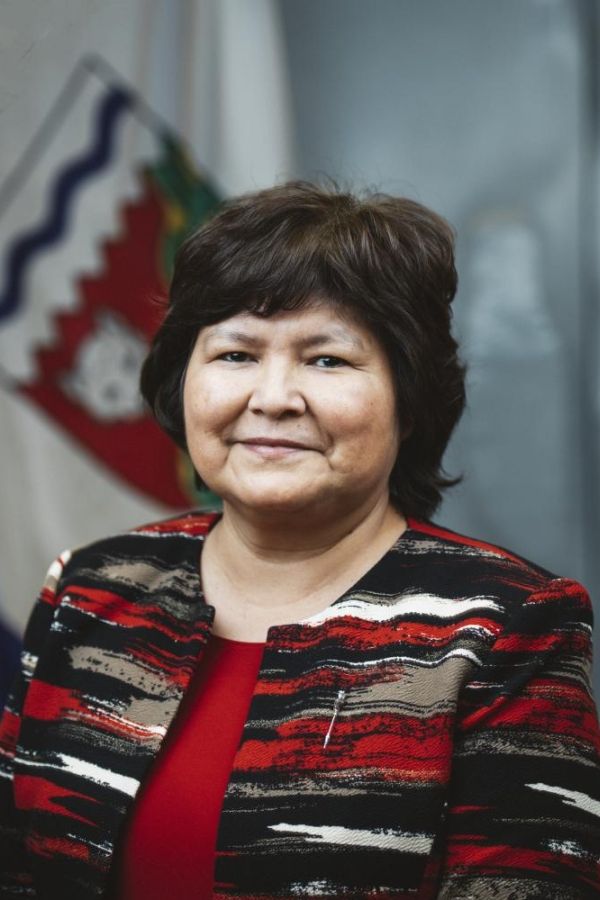
Speaker: MR. SPEAKER

Minister responsible for Health and social services.

Thank you, Mr. Speaker. Mr. Speaker, in order for a resident of the Northwest Territories to attend a treatment facility, they have to be referred by a caseworker, a caseworker who works with them. That caseworker also creates an aftercare plan for when they return home and then before they're discharged, they are to communicate with the -- that is part of the work that happens and, you know, and so I encourage that if residents are returning back to their community, to speak with the caseworker that has referred them out because that is part of it. And if the Member has, you know, residents that want to, you know, have this looked into as to why, he can feel free to reach out to my office and we can work together as to what is being missed, because my understanding is that that is a whole part of the referral process, is the aftercare plan coming home. Thank you, Mr. Speaker.

I'd like to thank the Minister for that opportunity. I'll be taking her advice and reaching out to her. It's been a long time. There is people going out and not following through or don't have the capacity or don't have the resources to reach out to. How long is it going to take us, take for us to move forward and support our people who are crying for help to move forward and break the cycles instead of taking steps backwards because of the lack of resources, especially in our smaller communities. Thank you, Mr. Speaker.

Thank you, Mr. Speaker. Mr. Speaker, one of the things that we have done as a government with feedback from Indigenous and small communities is that we've created the Community Mental Health Awareness Fund, which is something that it incorporates for the Indigenous governments have an opportunity to apply on funding to run their own types of programs, wellness programs, recovery programs, anything that their community chooses to. Then once the initial period is open for regional Indigenous governments, after, I think it's January 31st, I can get the details and send it to the Members on this, but it opens up to everybody else. So for February and March, whatever the funds are left in that community, that community organization that's tied to an Indigenous Friendship Centre. We've funded Friendship Centres in some of the communities in the past. We've funded GTC in the past. We've funded Tetlit Gwich'in to run programs in those communities however this year, we haven't received any applications from the Member's riding. Thank you.

Speaker: MR. SPEAKER

Thank you, Minister of Health and Social Services. Final supplementary. Member for Mackenzie Delta.

Thank you, Mr. Speaker. I'll reach out to Members of my three communities and see if they can allocate some funding. How can we work in collaboration to provide what is needed for the residents of the Mackenzie Delta in regards to addictions and aftercare and for funding and resources to be made available within our smaller communities? Thank you, Mr. Speaker.

Thank you, Mr. Speaker. Mr. Speaker, in the Beaufort Delta was the first to be reviewed under the community counselling program, and so what they have done is they've done a collaboration where they pull the Indigenous governments and the community counselling program together to be able to serve people and hire people with lived experience to be able to provide those services. I know we are working with -- we are currently working in the Sahtu through that process as well, and we're hoping that we'll get through the rest of the territory, because it's designed on servicing the region, the people, and what their needs are. However, I understand, you know, that there's always issues when it comes to when people are in crisis, but what I can do is I can put together the information for the Member and if I can, I'll see how much detail we have to be able to put it together for the region. I know we don't have it broken down just for Mackenzie Delta, but it might be the regional process. We have the THARP that will be opening up, which is a transitional housing and after addiction recovery home, that will be opening up soon. I know all the construction is done now, and it's just waiting on the operator and the policies to be done in Inuvik, which would help for those coming back to be able to stay there before going off to their community to give them that little bit longer support. So, thank you, Mr. Speaker.

Speaker: MR. SPEAKER

Thank you, Minister of Health and Social Services. Oral questions. Member from Monfwi.

Question 816-20(1): Elimination of Rent for Seniors in Public Housing

Thank you, Mr. Speaker. Mr. Speaker, given that seniors currently receive a $1,000 monthly income deduction when calculating rent, what is preventing the GNWT from going further and eliminating rent entirely for seniors in public housing? Mr. Speaker, I am serious about this question; I don't want no chuckle. Thank you.

Speaker: MR. SPEAKER

Thank you, Member from Monfwi. Minister of Housing NWT.

Thank you, Mr. Speaker. I'm just thinking about the question, Mr. Speaker, and how can we eliminate rent for seniors in the Northwest Territories? Understanding the situation we're in for Housing NWT, we have about $13 million in rental arrears across the North. That's the situation right now. And in order to build new homes and maintain what we have, people need to pay their rent. Understanding many times elders are taking on the burden of the entire family, there is considerations and that a $1,000 rental reduction each month, based on their income, is what's provided to elders at this time. There's a lot of work that we have to do as Housing NWT, especially with our strategic renewal and looking, moving forward with compromise agreements. But, again, these are the discussions we need to have, and these are the questions that are asked by the Members. So, at this time I don't have a solution, but I just want to give this House an idea of how much rental arrears across the Northwest Territories. Thank you, Mr. Speaker.

Thank you, Mr. Speaker. Some of the arrears are from old housing policy. Mr. Speaker, how does the GNWT ensure that the current rate calculation formula based on household income over age 19 fairly reflects the financial realities of seniors, many of whom live on fixed incomes and face rising costs for essentials? Thank you.

Thank you, Mr. Speaker. Again rent is based on income, so this is gross income of the household so it's not only the elder or senior in the house, it's the entire household, the working income or the income of the household. So there's sometimes difficulty with seniors because they take the burden on, again, of the entire household and don't get the support from other working members of the household. So again, another difficult situation. But Housing NWT right now is reviewing the rental scale, and we hope to have more comments from Members of this House. Thank you, Mr. Speaker.

Speaker: MR. SPEAKER

Thank you, Minister for Housing NWT. Final supplementary. Member for Monfwi.