Debates of October 31, 2025 (day 72)

Topics
Statements

Question 908-20(1): French-first Language Education Rights

[Translation] Mr. Chair, I have questions for the Minister of Education regarding French language education as a first language.

[Translation Ends].

I won't do them in French because I am a product of the immersion system, so I will spare the House that.

Our French, how we manage our commission scolaire is very different than our neighbouring territory, the Yukon. The Yukon government gives far more flexibility to the commission scolaire to make their own decisions within the policy set where our government has very restrictive -- restrictive models of controlling admissions and other aspects of French first language education in the Northwest Territories.

Will the Minister commit to adopting a model more similar to the Yukon's where there's more autonomy given to the commission scolaire so French language education is in the hands of French language -- or Francophone communities. Thank you.

Speaker: MR. SPEAKER

Thank you, Member from Range Lake. Minister of Education, Culture and Employment.

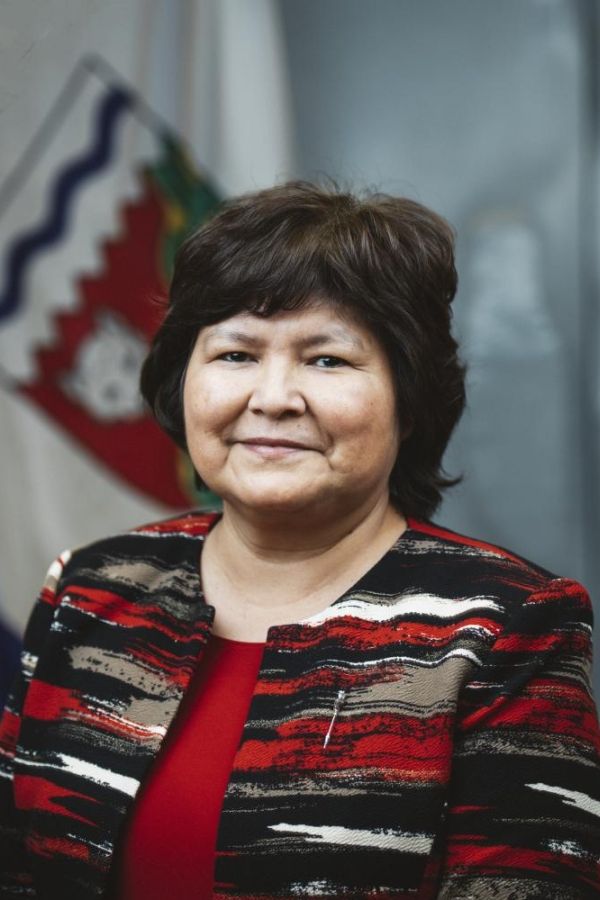
Thank you very much, Mr. Speaker. Mr. Speaker, I am also a product of the French immersion system and believe that representation certainly matters. And that said, Mr. Speaker, I am currently working on some regulation changes alongside the CSFTNO here in the Northwest Territories. Specifically, our regulations speak to the fact that currently French-first language schools are found in Yellowknife and Hay River, and so we are removing the designation of those two communities. Thank you.

Thank you, Mr. Speaker. Mr. Speaker, there are provisions that allow that Francophone minority language communities to ask for education services to be provided if they demonstrate a need. Can the Minister explain what processes are in place to ensure that when rights holders are applying for their constitution, their Charter rights to education, that those are met regardless of capacity challenges from this government. But when a right is asserted, it needs to be honoured. So does the department have processes in place that when Francophone communities are asserting that, or language minorities are asserting that, they will be heard? Thank you.

Thank you very much, Mr. Speaker. Mr. Speaker, we do have processes in place, and it's not just the Department of Education, Culture and Employment working alone. We also work quite closely with the Department of Justice to make sure that we're working together, that we're gathering information that we have available to us, and working through this process with French-first language communities. Thank you.

Speaker: MR. SPEAKER

Thank you, Minister of Education, Culture and Employment. Final supplementary. Member from Range Lake.

Thank you, Mr. Speaker. And yet they keep getting sued, Mr. Speaker. So clearly something's not working. So will the Minister commit to a full evaluation of this system? And let's take one aspect of it, the 85 percent capacity threshold for enrolments, will she convert that to a capacity threshold on non-rights holders as they have in the Yukon so we can allow these schools to grow, to thrive, these students to thrive, and Francophones to have their rights respected in the Northwest Territories? Thank you.

Thank you very much, Mr. Speaker. Mr. Speaker, while absolutely we respect section 23 rights of Canadians and uphold those rights as a territory, we've also heard frequently in this House this week about the need to make sure that we're also balancing the needs of all kids in all schools across this territory. So one of my responsibilities is to ensure that that need is balanced across the territory and that we are able to maintain and invest in the assets that we do have. Thank you.

Speaker: MR. SPEAKER

Thank you, Minister of Education, Culture and Employment. Oral questions. Member from Yellowknife Centre.